Debate with secondary school students and MPs: “What do you watch, whom do you trust? – Young people, information and disinformation campaigns”
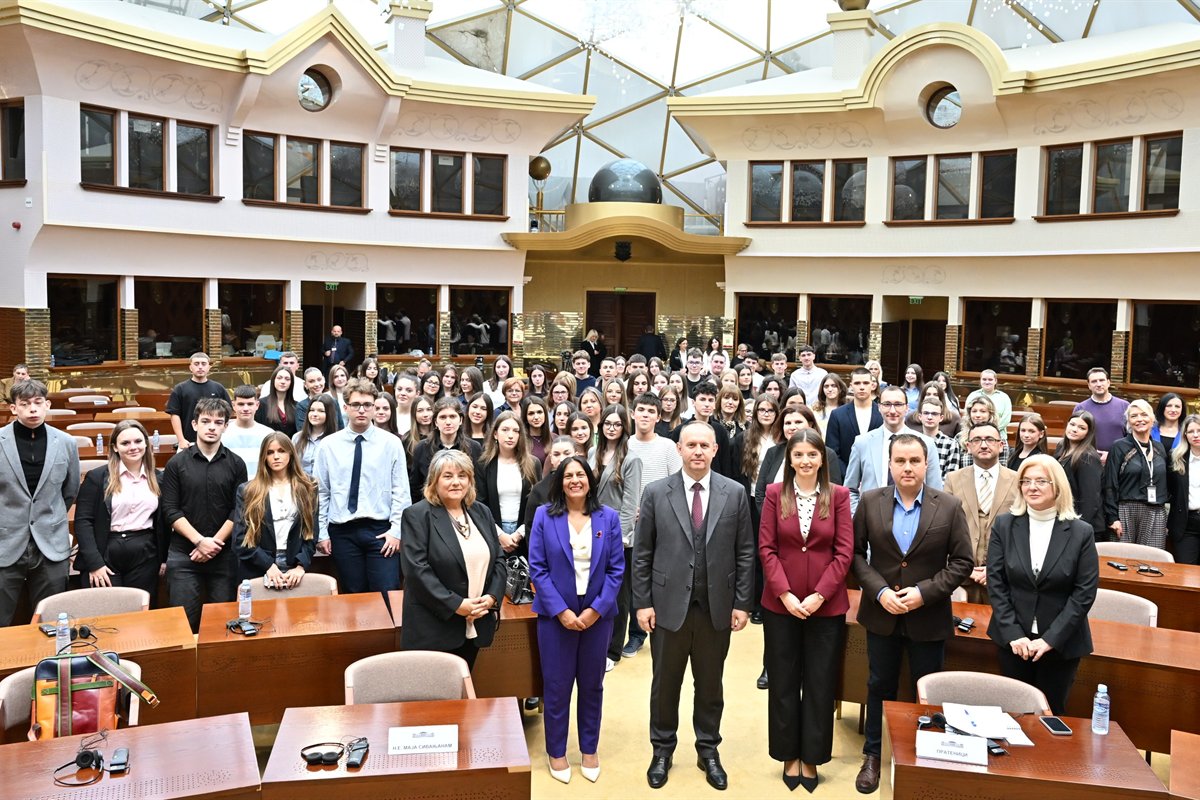
MPs and secondary school students will continue to debate and look for modern education policies that will strengthen critical thinking, media literacy and young people’s resilience to disinformation and manipulative content.
Young people want to learn and discuss more in class about the role of artificial intelligence, algorithms and influencers in their lives and decisions.
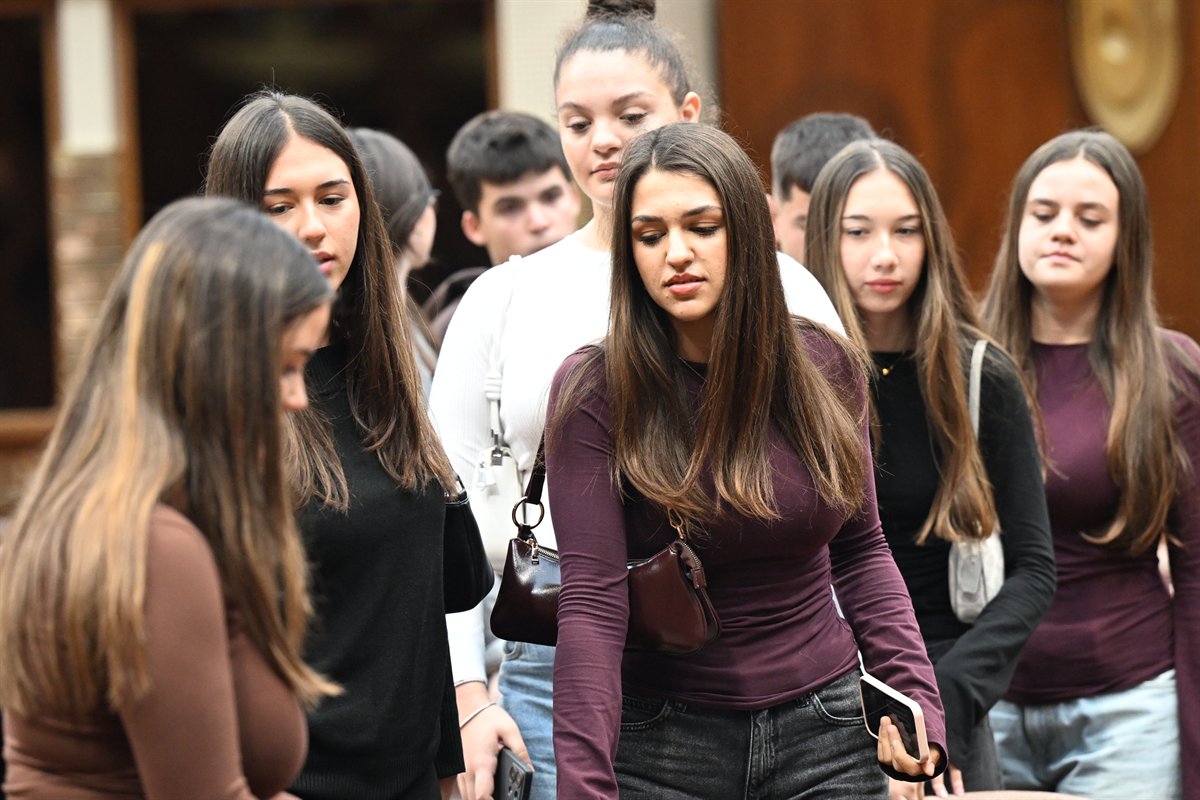
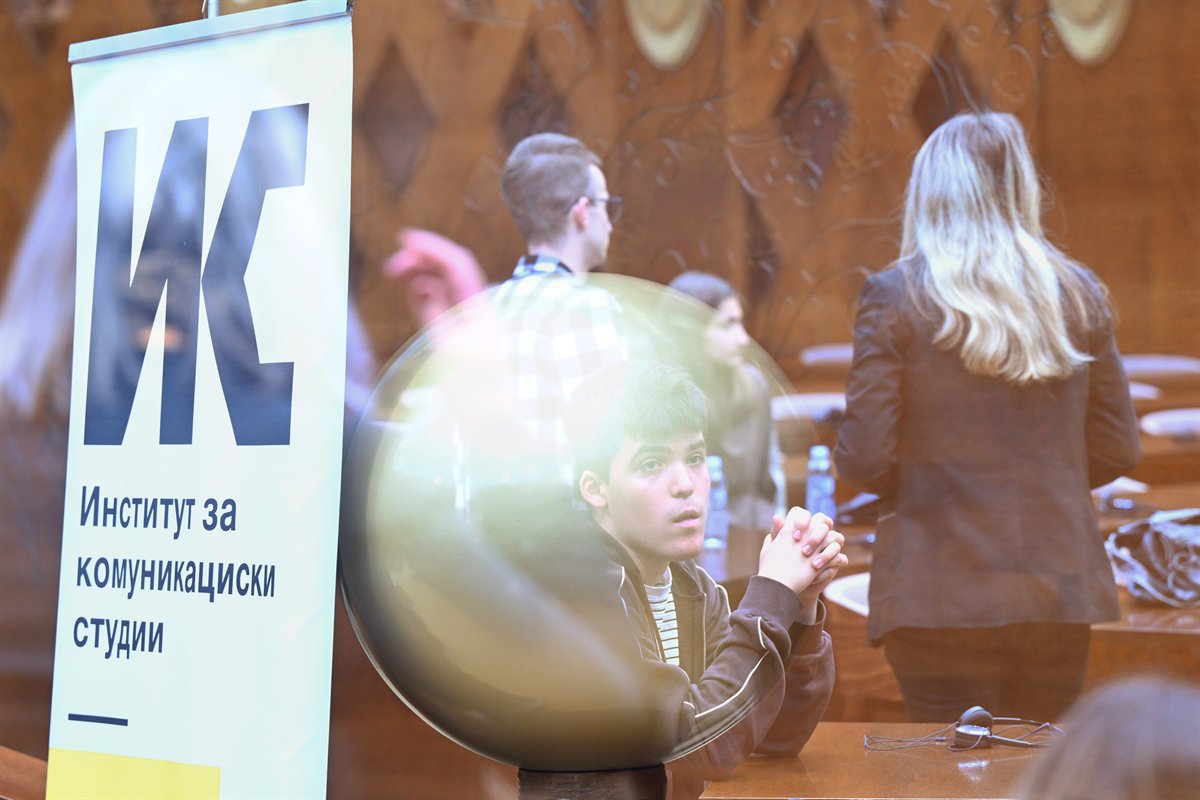
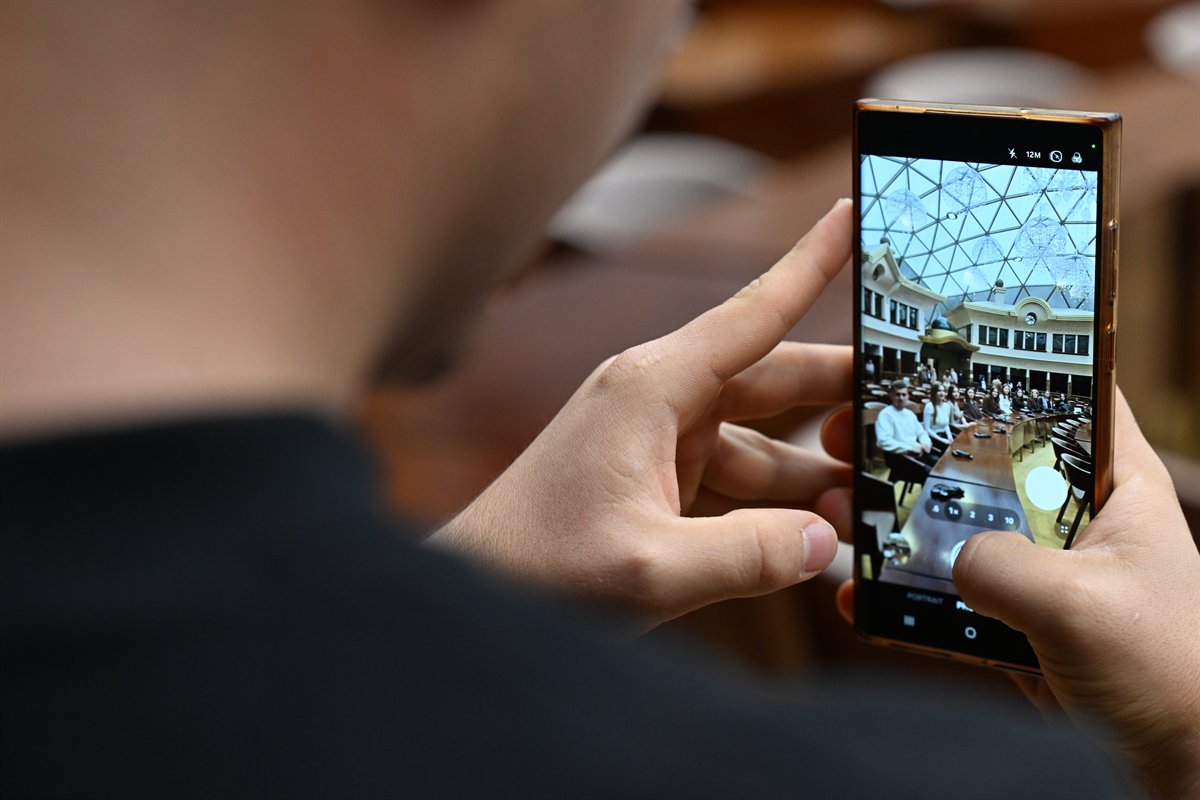
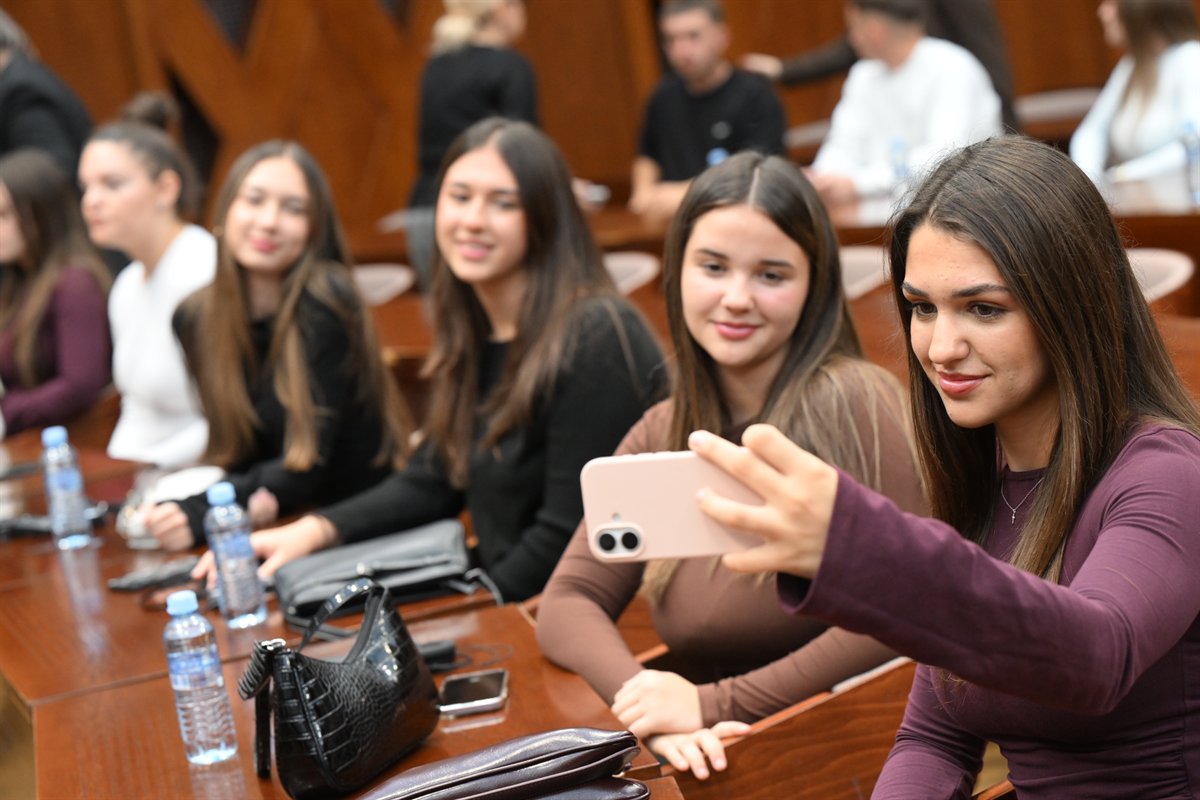
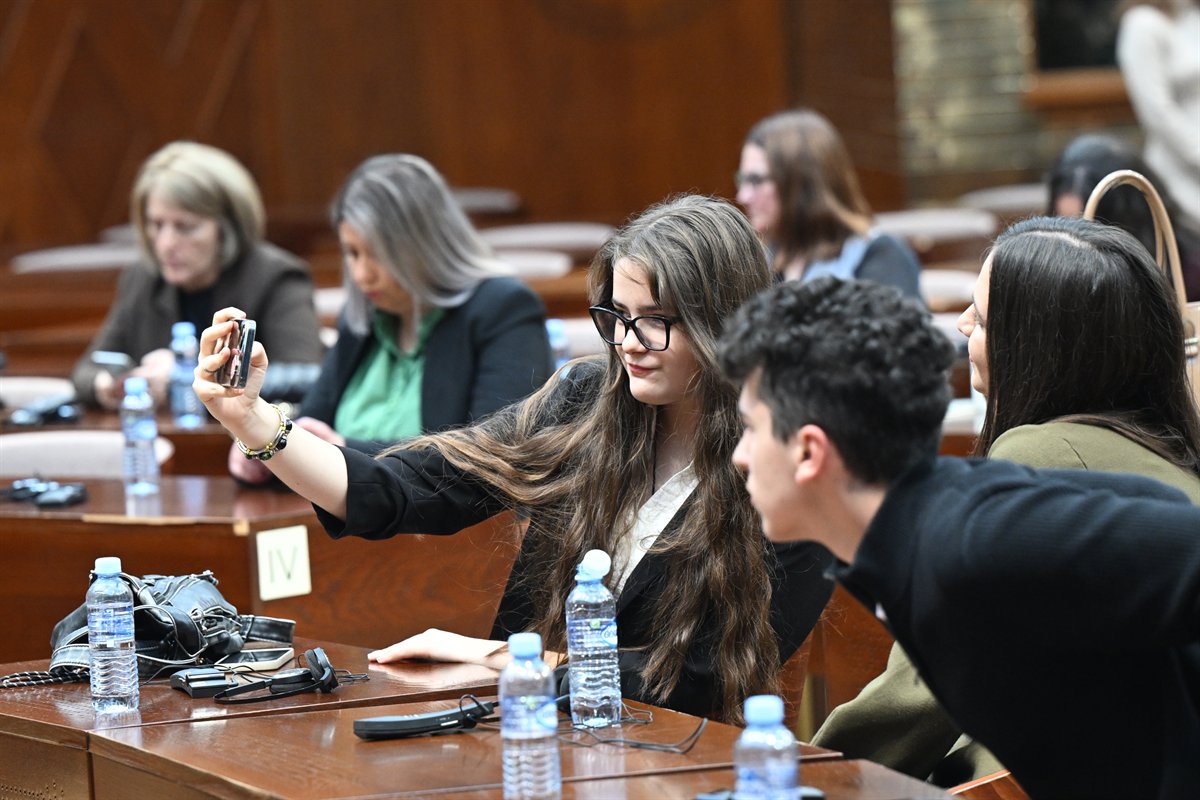
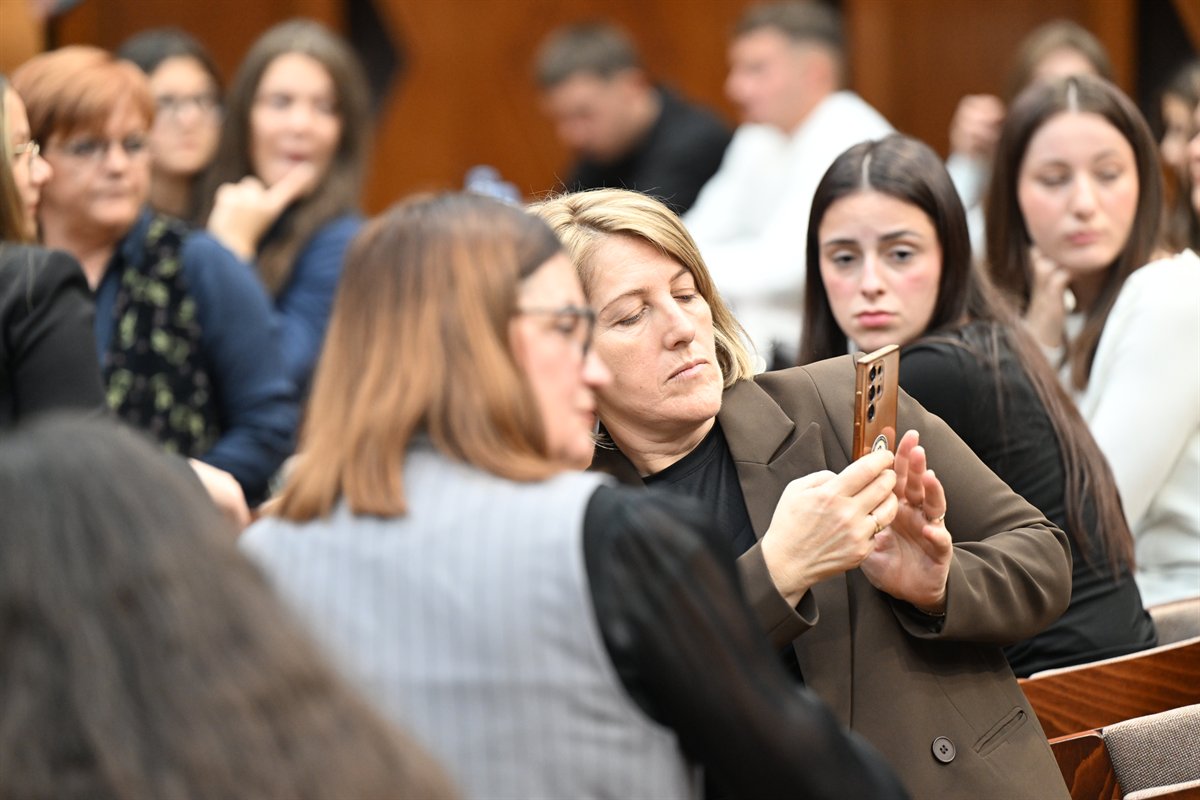
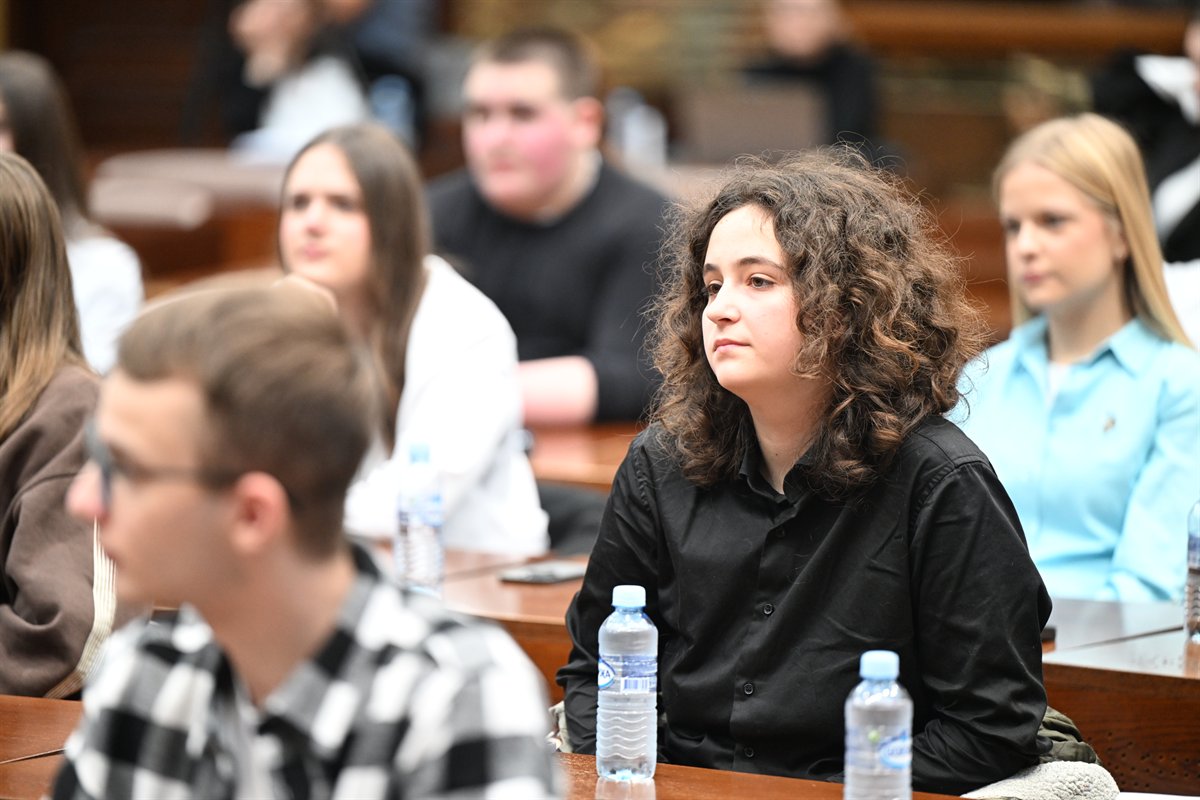
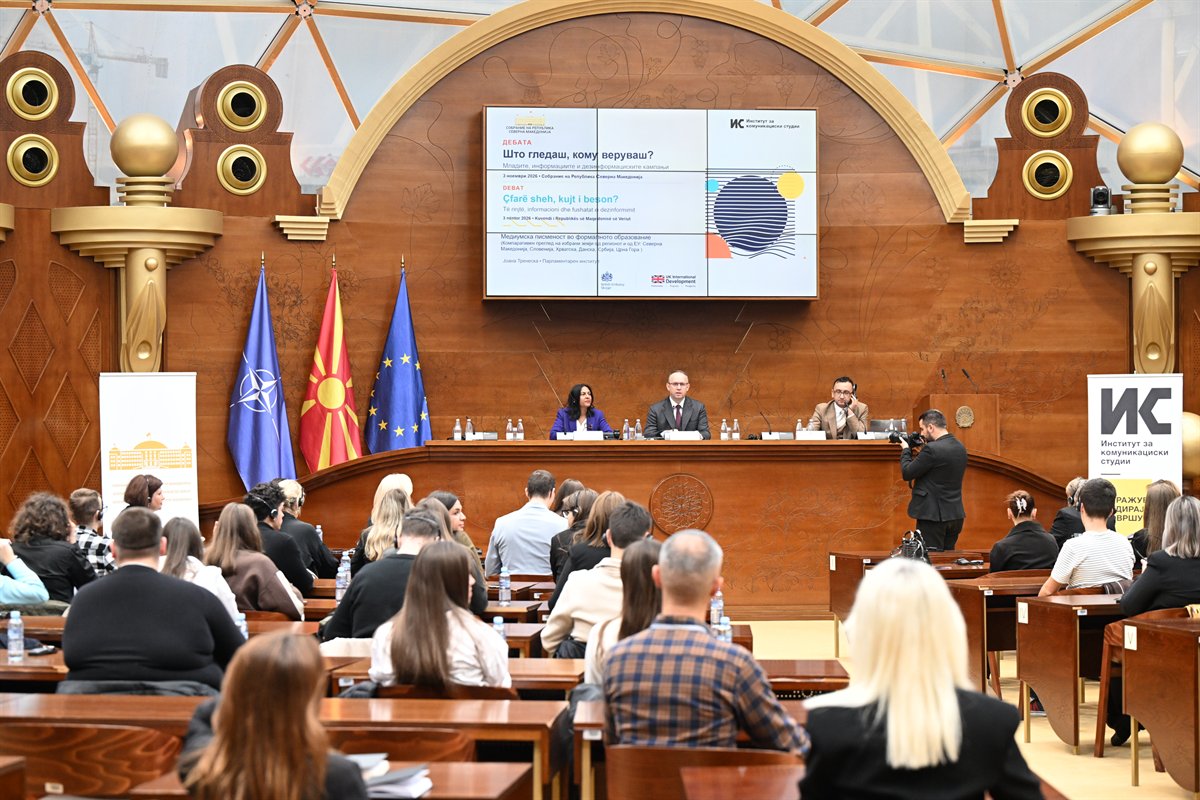
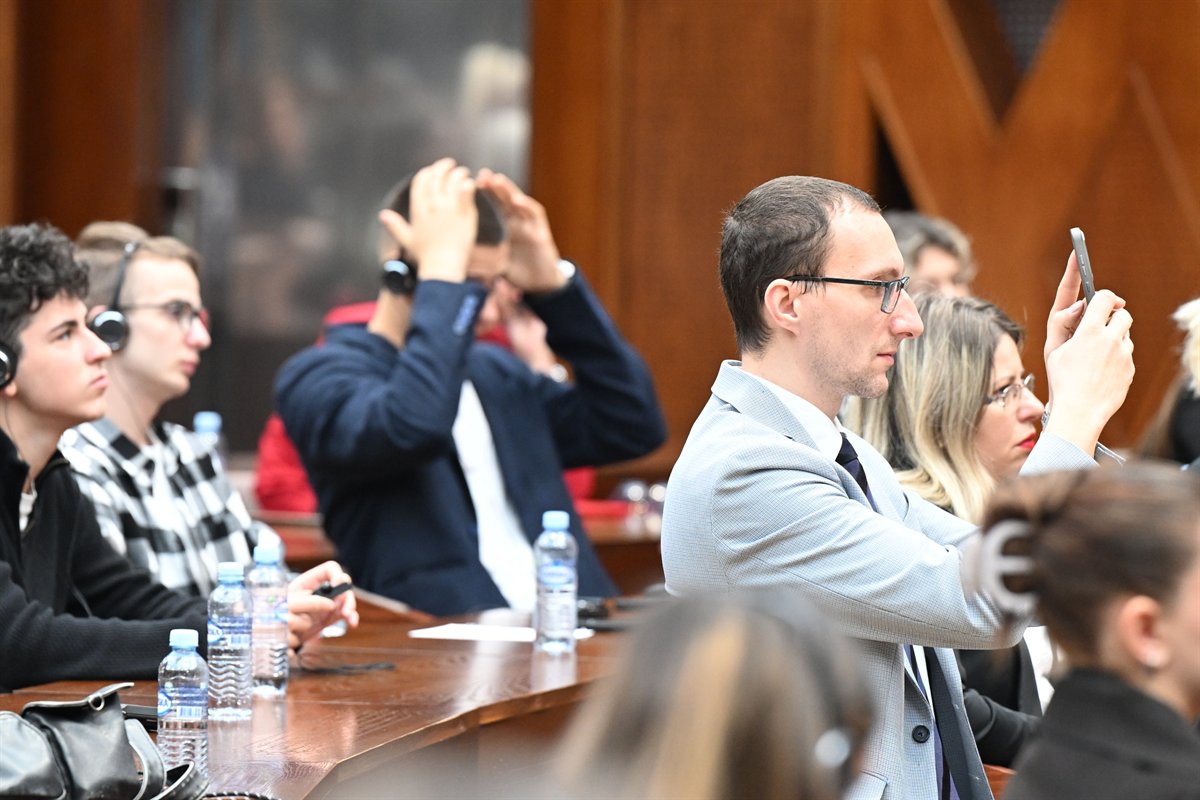
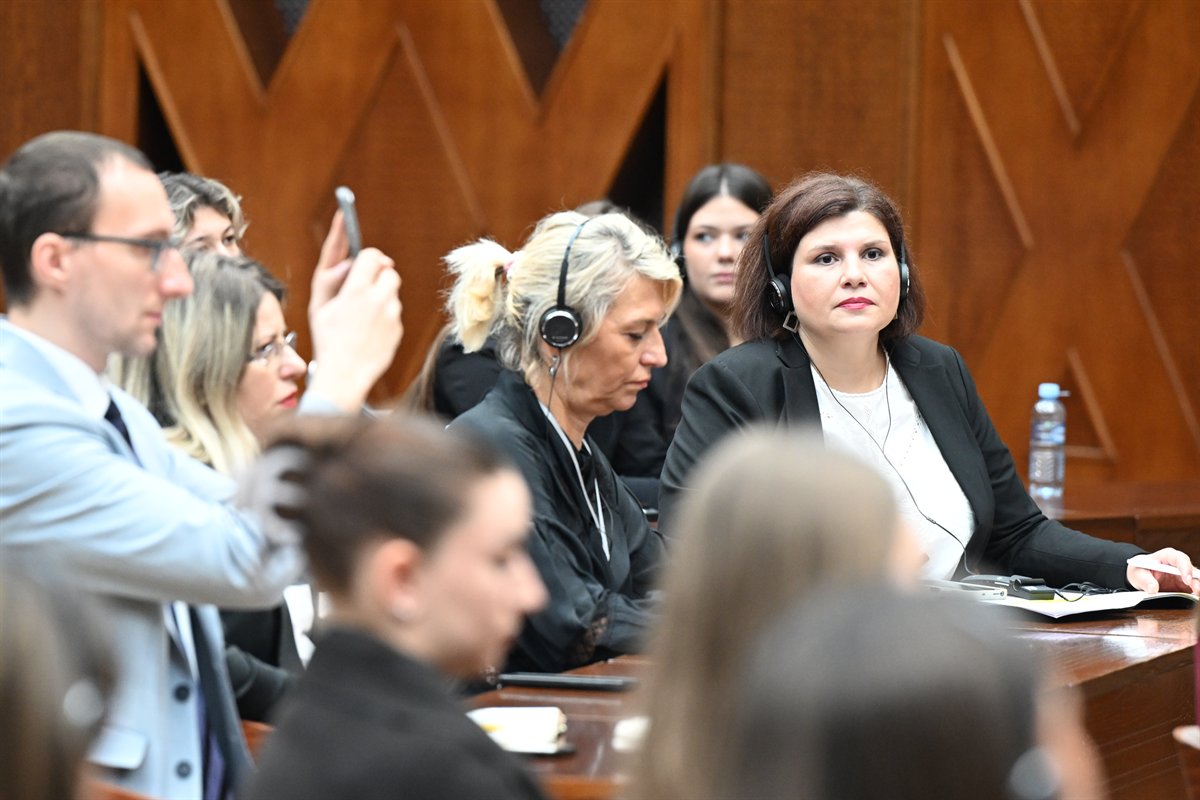
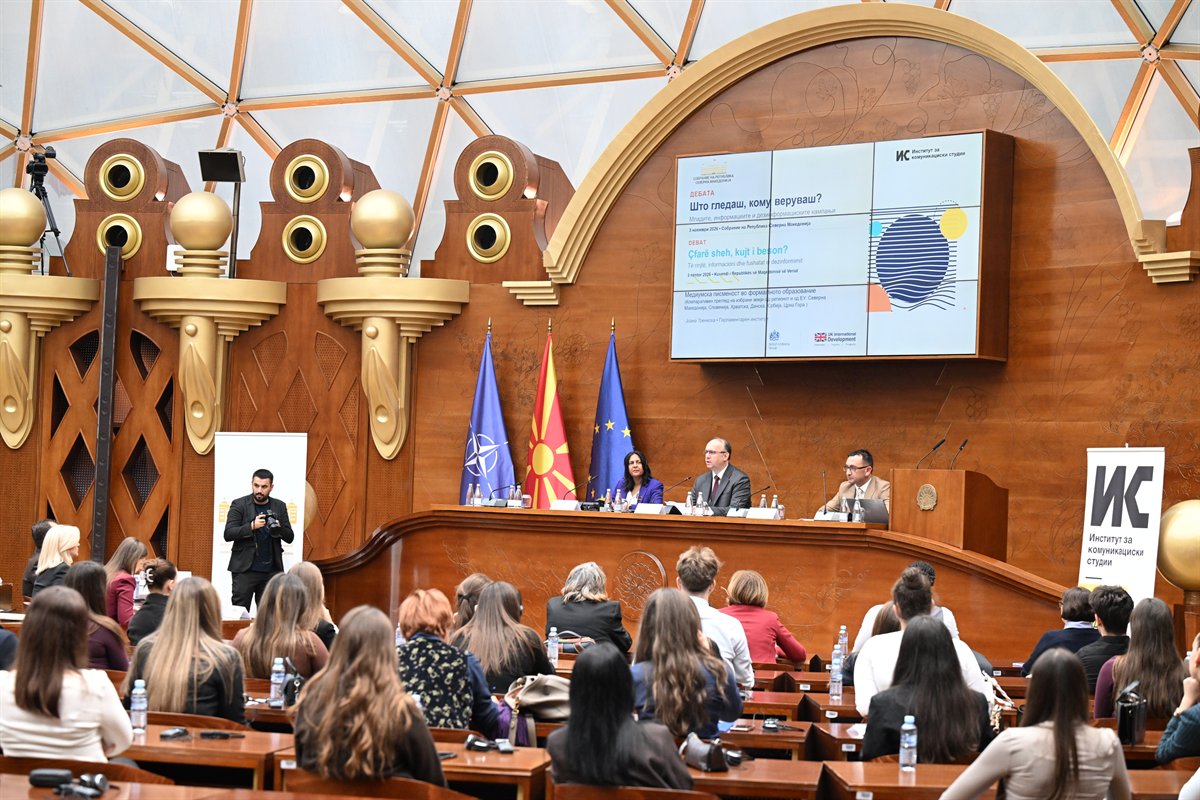
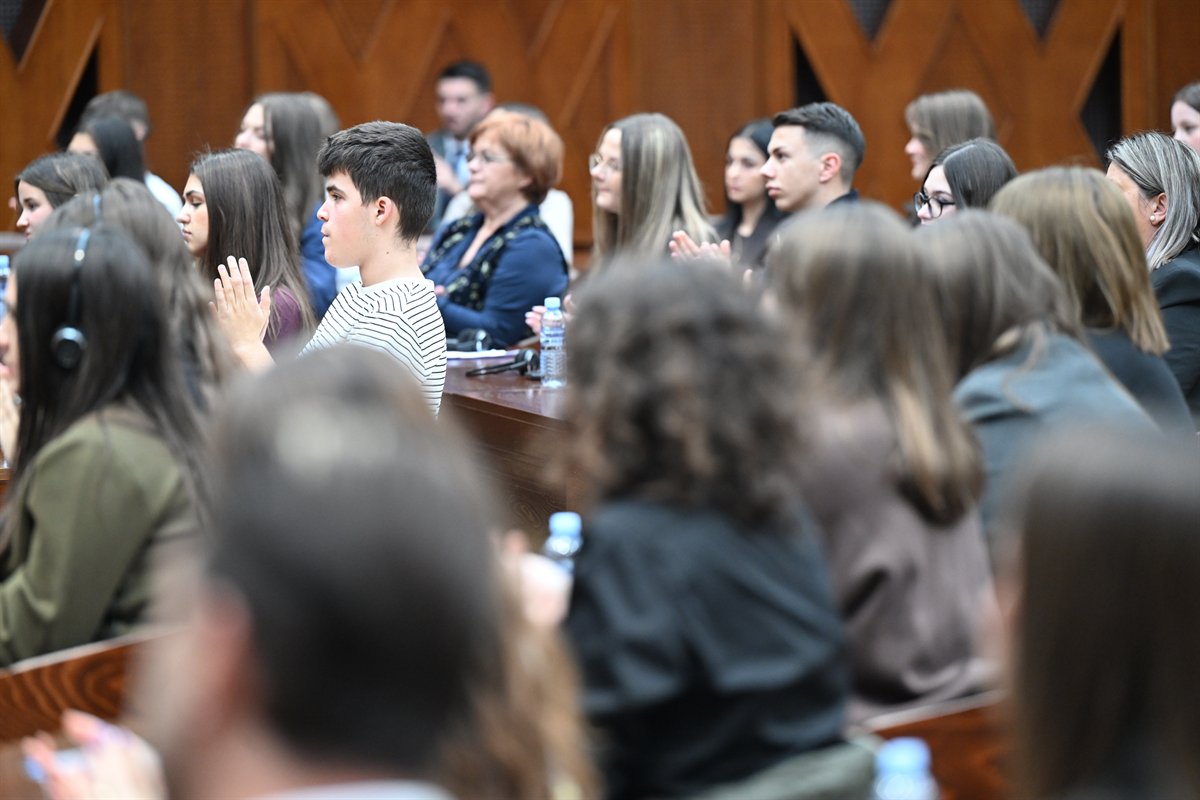
These are some of the messages from today’s debate in the Assembly of the Republic of North Macedonia, “What do you watch, whom do you trust? – Young people, information and disinformation campaigns”, at which students from seven secondary schools in Skopje, Lipkovo, Veles and Prilep talked with MPs about how young people get informed, whom they trust and what challenges they face in today’s digital environment.
The aim of the event, organised by the Institute of Communication Studies (ICS) and the Assembly of the Republic of North Macedonia, through the Parliamentary Institute and the parliamentary Club for Youth Issues and Policies, was for young people’s voices to be heard directly in the legislature. The MPs asked for their opinion on possible regulation and controlled access to social media for minors under 15. Both guests and hosts agreed that this is the beginning of a continuous dialogue between young people, schools, the Assembly and ICS on issues that directly affect teenagers, and that events of this kind will be held in the Assembly more often.
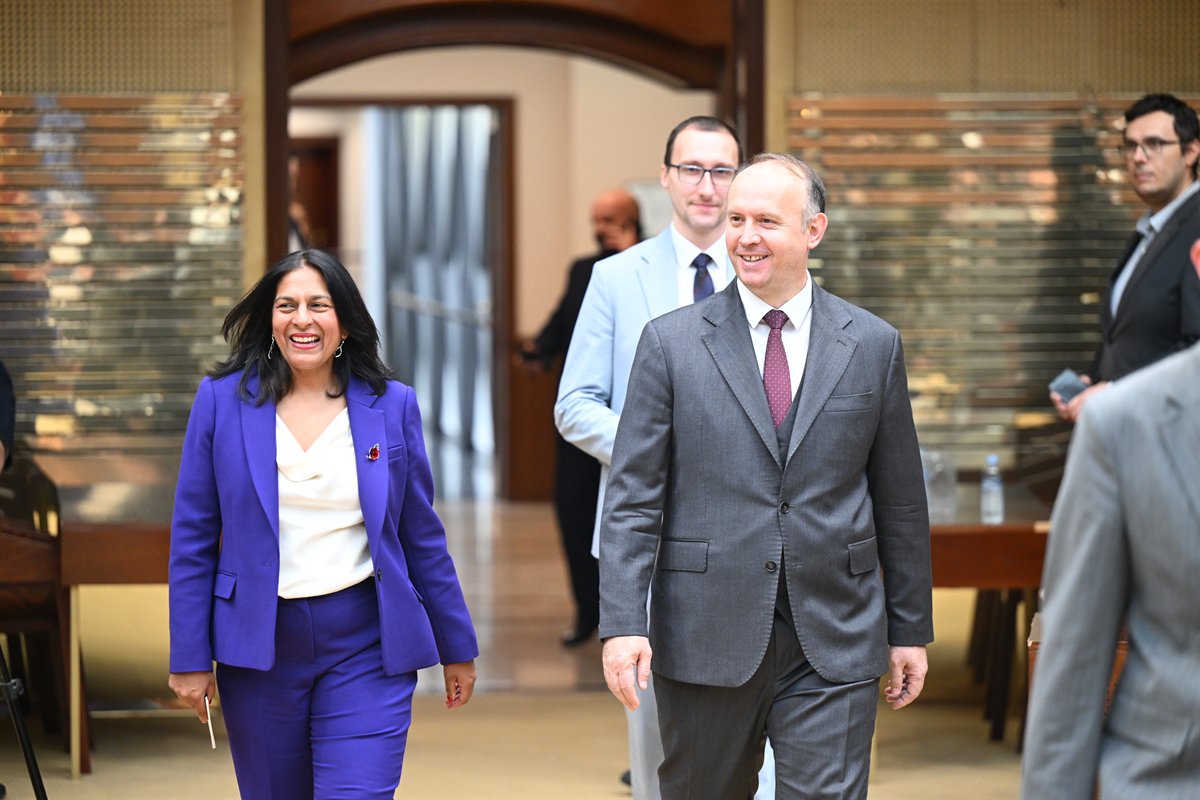
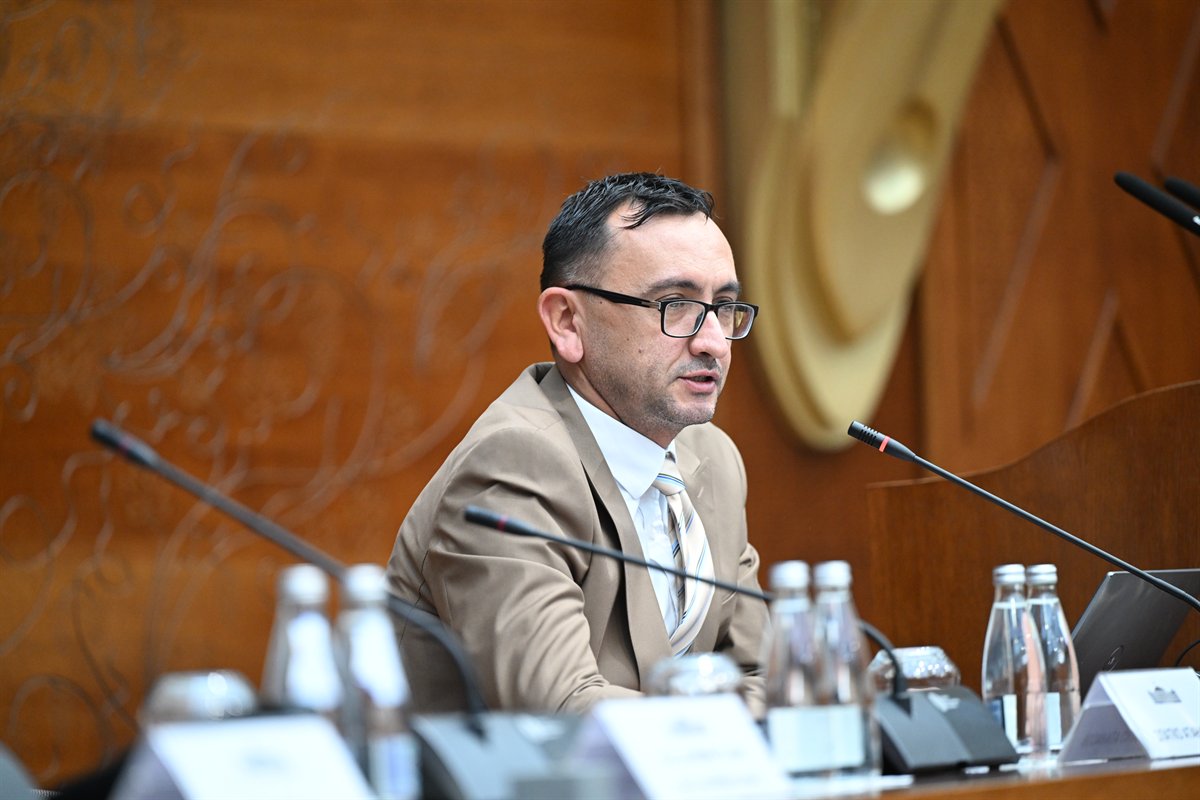
Opening the event, the Speaker of the Assembly, Afrim Gashi, stressed that media literacy today is a key skill for democratic development, and that protection from disinformation is protection of the freedom to reason independently. He pointed out that we face a paradox – although more information is available than ever before, this does not mean that we have more knowledge, vigilance and capacity for critical thinking. “Do not measure the truth by the number of likes, do not confuse popularity with credibility, and do not let the speed of information replace the depth of your thinking. Stop, ask, check and look for arguments,” Gashi told the young people.
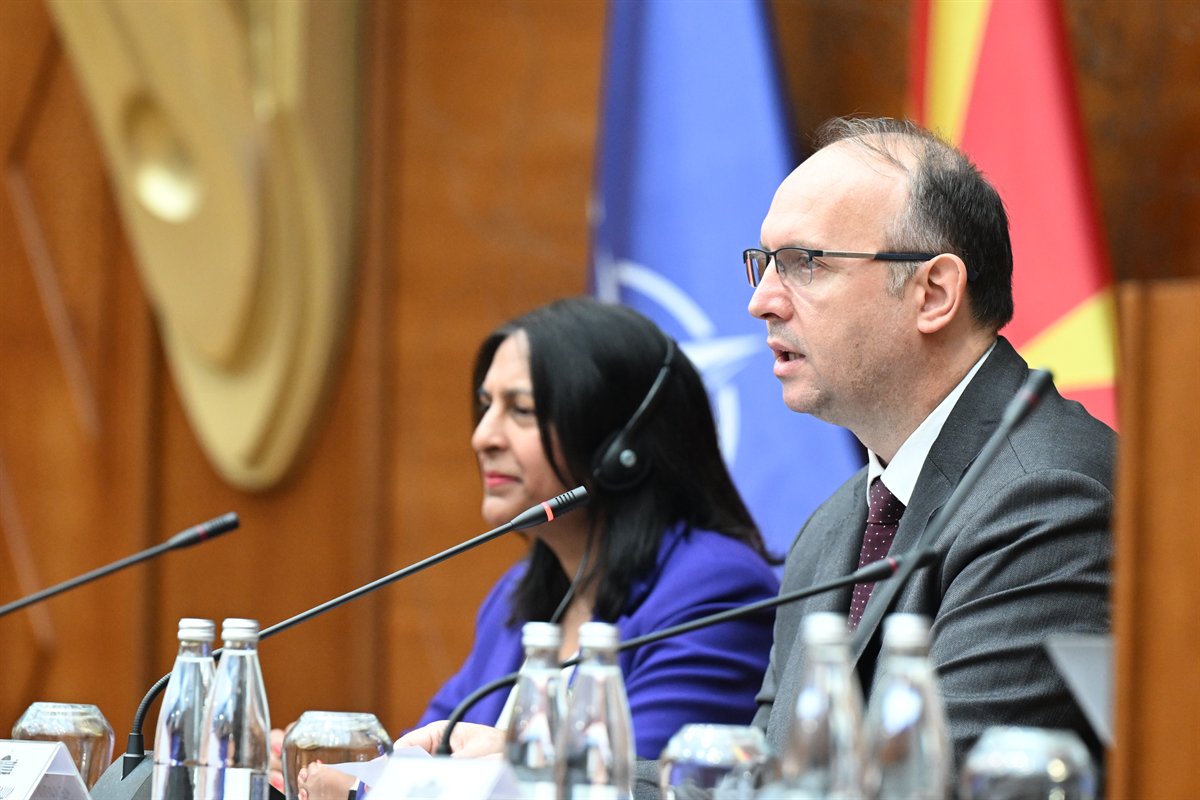
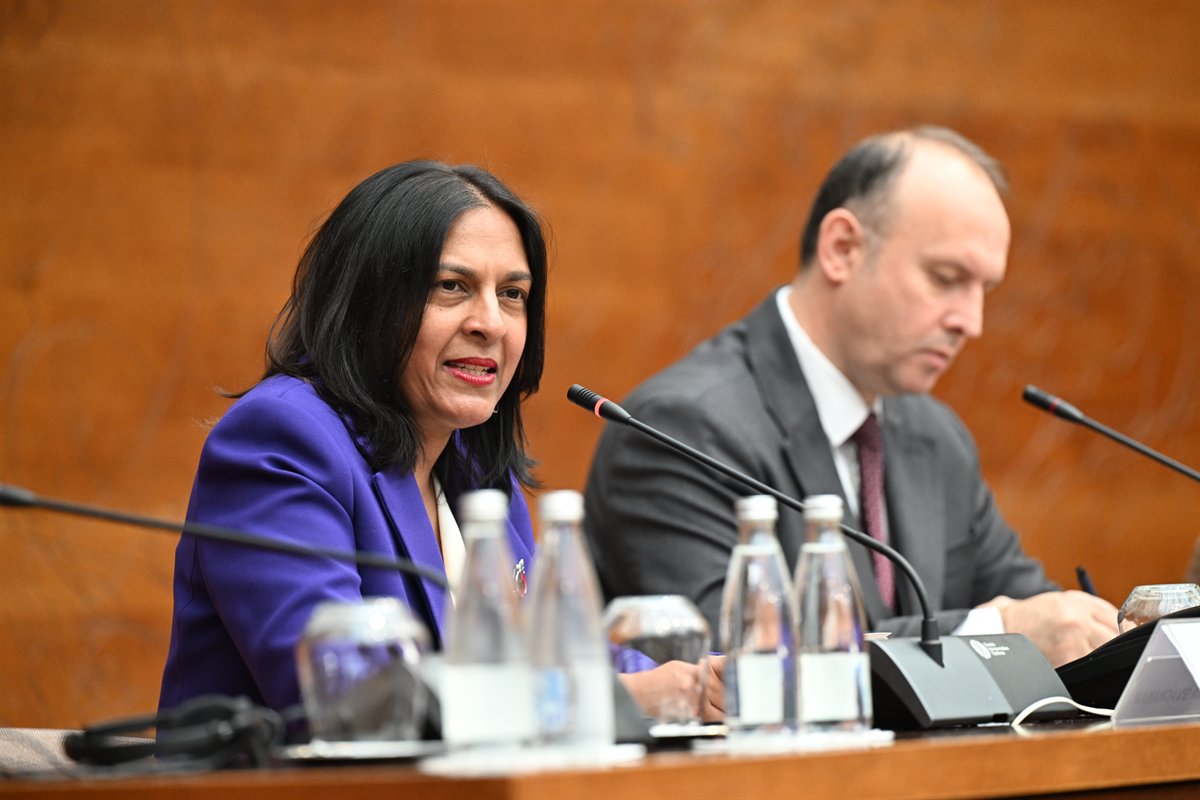
H.E. Maja Sivanjanam, Ambassador of the United Kingdom to the Republic of North Macedonia, stressed that building resilience to disinformation and information manipulation is not the responsibility of a single institution or individual, but requires a whole-of-society approach. “The aim is not to tell young people whom to trust, but to equip them to assess for themselves and decide which information to trust. If someone claims that a vaccine is dangerous, that elections were stolen, or that a public figure said something shocking, and it is not true, that is not just fake news – it already affects your health and your security,” the Ambassador said, encouraging them, whenever they are unsure whether a piece of news is true, to ask who is publishing it and why someone wants to stir certain feelings in them.
Dragana Bojkovska, MP and President of the Club for Youth Issues and Policies, who supported the initiative for this debate, said that today’s event is a practical example of the principle “everyone has a role” in building critical and resilient young people. She noted that this is the first event of its kind with which the Assembly joins the celebration of Media Literacy Days, and announced more such debates in the future. She invited the young people and ICS to take part in a public hearing in the Assembly on the use of social media in schools.
The event is part of the KOMPAS project, funded by the UK Government with the support of the British Embassy Skopje, and is also held as part of Media Literacy Days, an initiative of the Media Literacy Network.