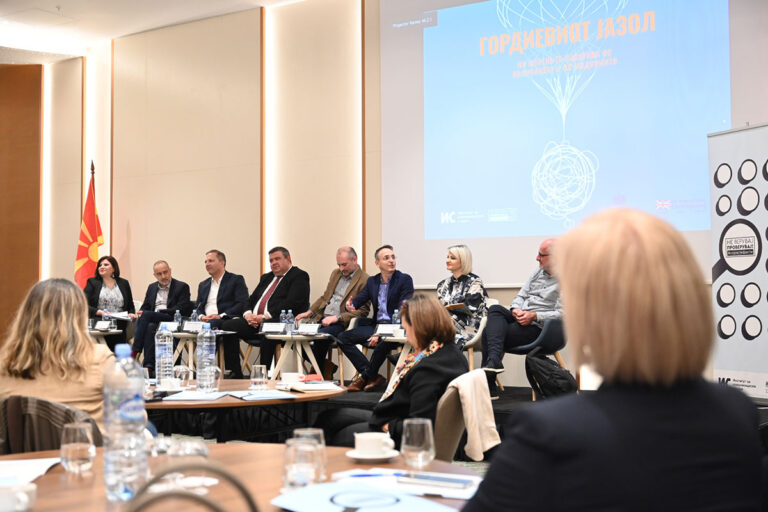
Political communication
Political messages today circulate through traditional media, social networks and digital platforms, and their visibility increasingly depends on algorithms, new formats and changing audience habits.
What we research
These processes raise important research questions about how public discourse is shaped, how citizens understand political messages and public policies, and how the relationship between political actors, institutions, the media and the public is changing.
At the Institute of Communication Studies we research political communication as a space where political power, the media, public narratives and civic participation intertwine. We analyse how political messages are created and transmitted, how social and political issues are framed, and how different communication practices affect the quality of public debate, political participation and trust in institutions.
Read more
We pay particular attention to the public communication of state institutions – how they explain their policies and decisions, provide information of public interest and respond to citizens’ needs and questions. We research transparency, accountability and integrity in communication, as well as the line between institutional information and party promotion.
Our research interest covers political and public speech, political messages and narratives, election communication, populist rhetoric, institutional communication, relations between political actors and the media, public opinion research and digital political communication. We pay particular attention to harmful and polarising narratives, how they are created and spread, and how the media and digital platforms transmit, amplify or challenge them.
Our research is based on media monitoring, analysis of content and public discourse, tracking political narratives and analysing communication practices. In cooperation with academic and research institutions, media and international partners, we compare these practices across national contexts, with a focus on relations between political actors and the media and the openness of institutions to the public.
We use our findings for recommendations and guidelines on explaining public policies more clearly, improving institutional information and running more meaningful public consultations. In this way we support communication that enables citizens to understand decisions, follow the work of institutions and take part in policy-making.




Research projects

Publications in this area
Related news
-
 18 August 2025
- elections
- ·
- ethics
- ·
- ICS
- ·
- political communication
- ·
- Штетна
Participants in the Local Elections Campaign Urged to Respect Standards and Principles of Ethical Political and Public Communication
Their messages and the way they engage with the public and their opponents shape the political culture and public discourse,… -
 19 July 2024
- monitoring
- ·
- Штетна
- ·
- штетни наративи
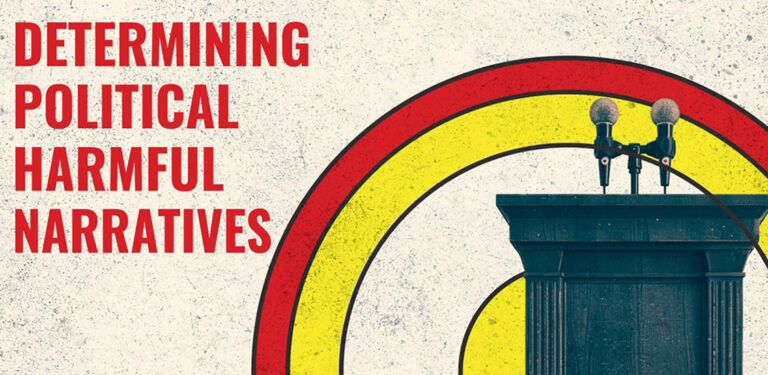
ICS published the three-month report on the presence of harmful narratives in public political communication in North Macedonia
The Institute of Communication Studies (ICS) published the three-month report from the research Determining Political Harmful Narratives (HARM-TIVE) which represents…