


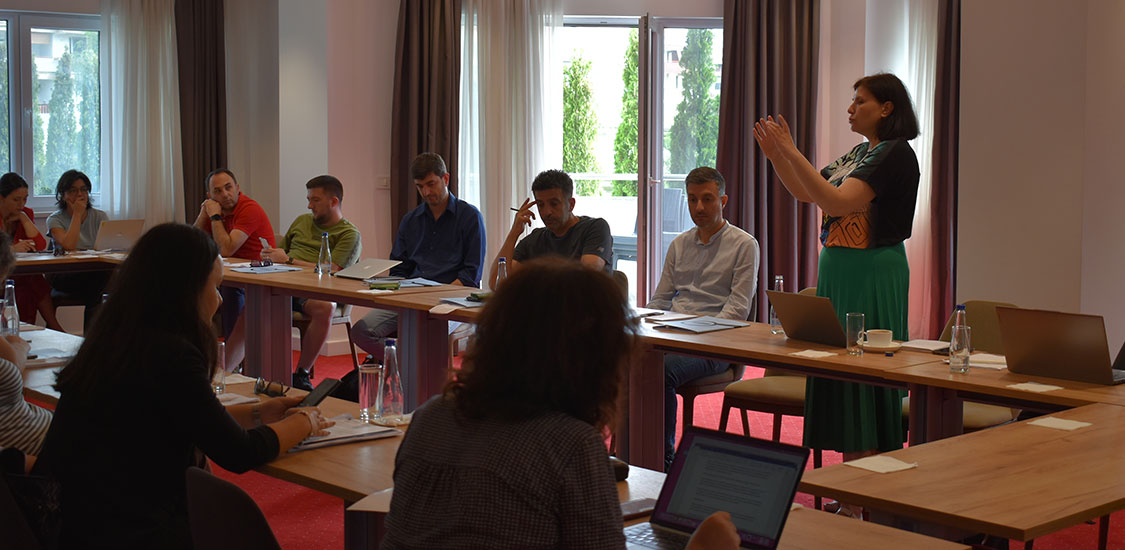
Bridging Borders: Collaborative Efforts on Shared Regional Issues
Waste dump hazards, EU integration, drinking water and food quality, and the spreading of disinformation about these and many other issues—these shared concerns transcend borders.
ICS launches new resource for journalists to tackle disinformation
The Institute of Communication Studies (ICS) published the guide Rocks of Reliability: Journalist’s Tools for Tackling Disinformation which aims to help journalists, editors and media workers tackle more easily the inevitable surge of disinformation, misinformation, malinformation and other manipulative techniques.

Skopje Pride Attacks Continue Each Year
Digital rights violations spiked during this period, with the online discourse often crossing the line from debate into hate speech and incitement to violence.
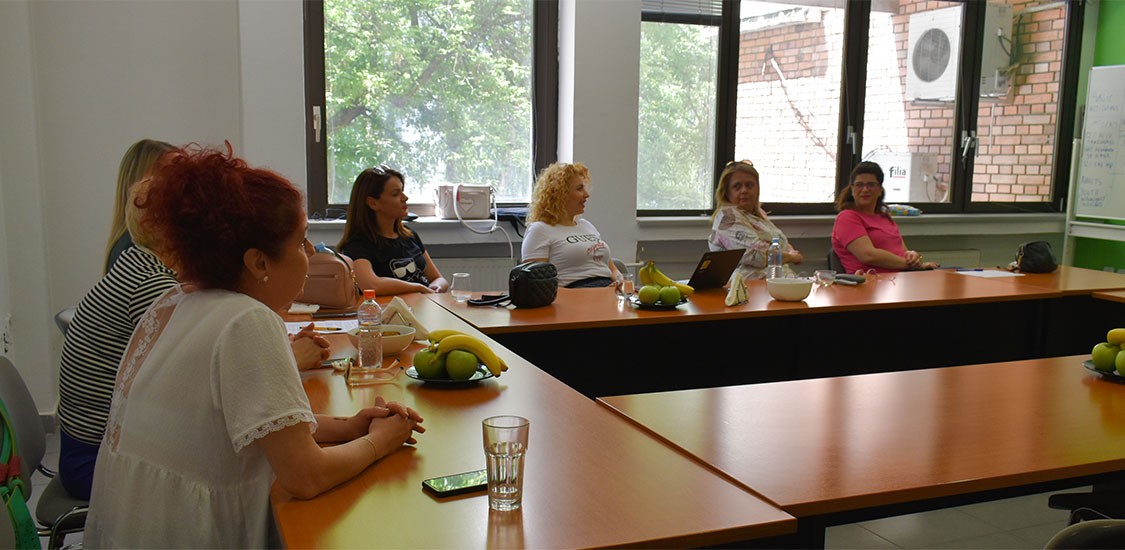
Presentation of the model for active citizenry through media literacy (ICME Project)
ICS organized a meeting with several high school professors from Skopje, and representatives of IREX, Youth Educational Forum, and the Agency for Audio and Audiovisual Media Services, who provided their feedback on the Macedonian model for promoting active citizenry through media literacy developed by ICS within the Inclusive and Creative Media Education (ICME) project.
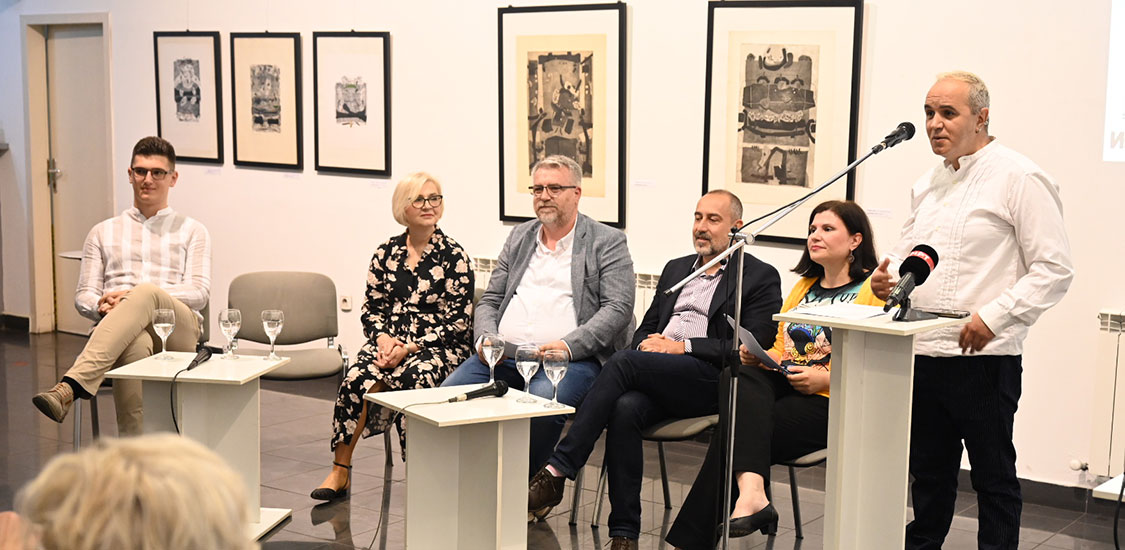
Promotion of the Glossary of Media Literacy
This lexicographic edition is the first serious effort for systematisation of the terms appearing in the digital era and the novel ways of communication, media development and the rise of new tools and activities in the online space.
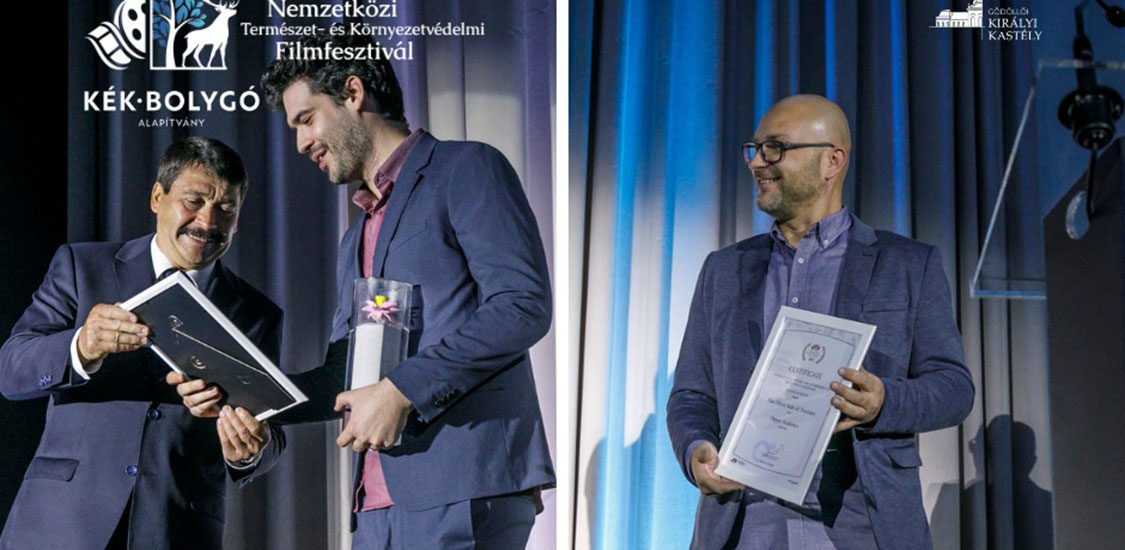
ICS’s documentary awarded at the International Nature and Environmental Protection Film Festival
ICS’s documentary "The Other Side of Tourism" has been awarded at the International Nature and Environmental Protection Film Festival, one of the largest thematic events related to environmental protection and nature films in Hungary and the region, which was held for the ninth time in Budapest from 19 to 21 May.
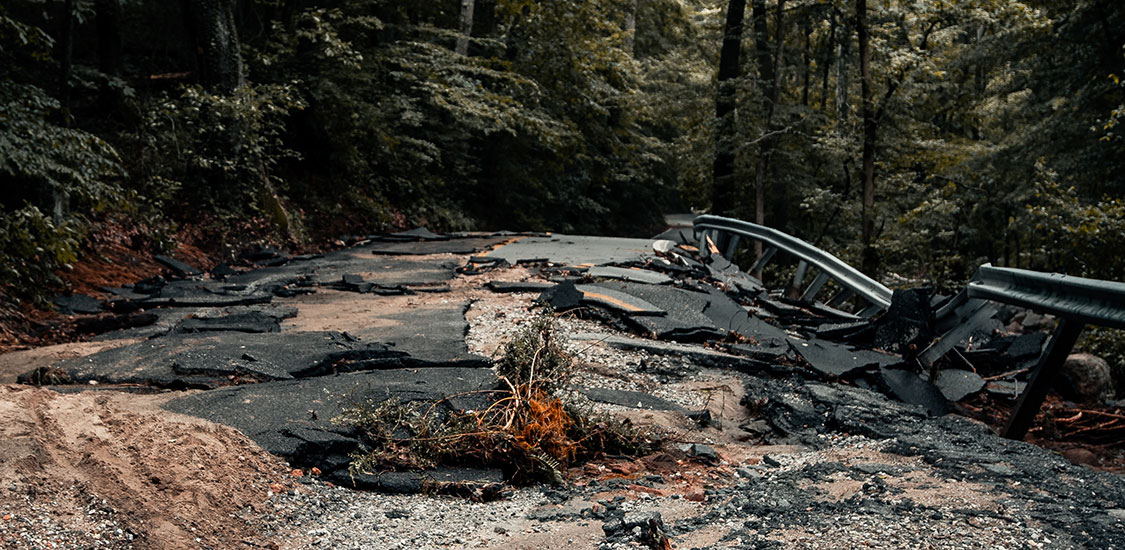
ICS is part of a project for raising the awareness of the risks of earthquakes
Citizens are the first to deal with the effects of earthquakes and other natural or man-made disasters, until professional help arrives. Hence, it is extremely important to increase the awareness of citizens in better preparation before the occurrence of these disasters, as well as in dealing with them.
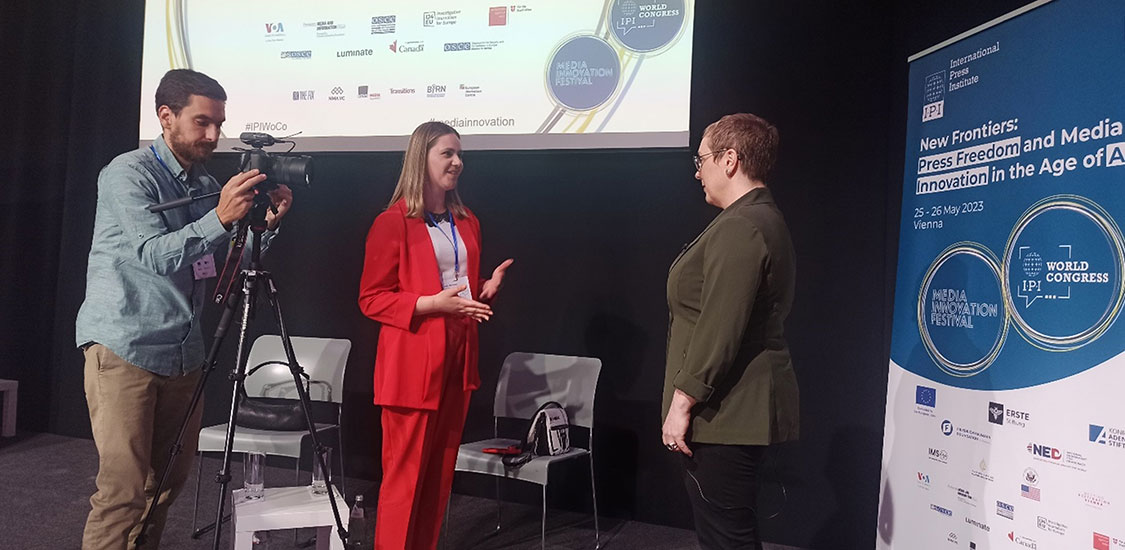
Journalists from Macedonia at the International Press Institute World Congress
Populists and extremist groups use disinformation as a tool to create confusion and uncertainty. However, journalists should actively fight back by researching and exposing the strategies these propagandists are using in the age of algorithms and artificial intelligence.

Call for abstracts | KAIROS: Media and Communications Review (Vol. 2, No. 2)
Theme of the issue: Media and Information Literacy in the Age of AI. ICS invites all interested authors to submit their abstracts under the third open call for abstracts within KAIROS: Media and Communications Review.
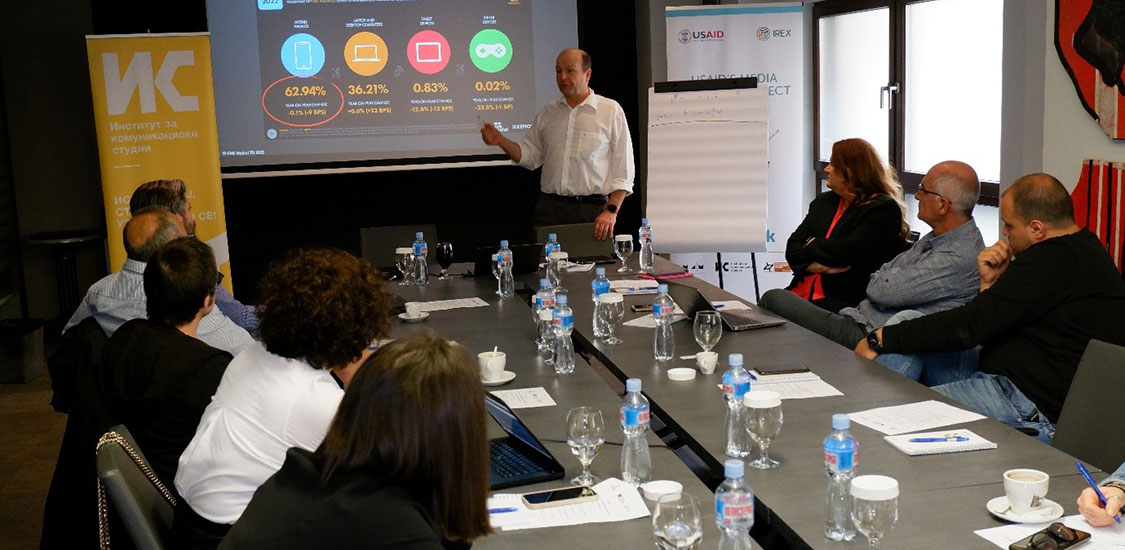
Trust and high-quality content to grow your audience
With the rise of digital media and AI, the audience is growing significantly, while the media industry is facing fundamental changes. To succeed, the media must adapt to the needs of their audience, build brand trust, deliver high-quality content and use AI in support of the editorial process.