Integrative strengthening of seismic risk awareness – ISRA
The project aimed to raise awareness of seismic risks and the secondary risks of soil erosion in the border region of North Macedonia, Albania and Greece.


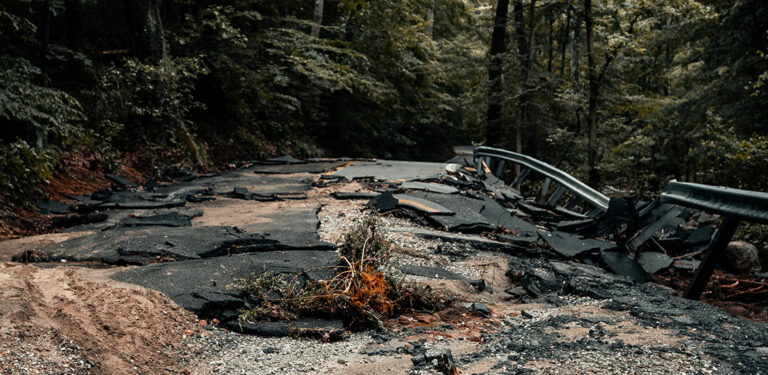
The project aimed to raise awareness of seismic risks and the secondary risks of soil erosion in the border region of North Macedonia, Albania and Greece.

Through an investigative documentary, the project raises the issue of illegal hunting and trade in rare and endangered European species and its consequences for biodiversity.
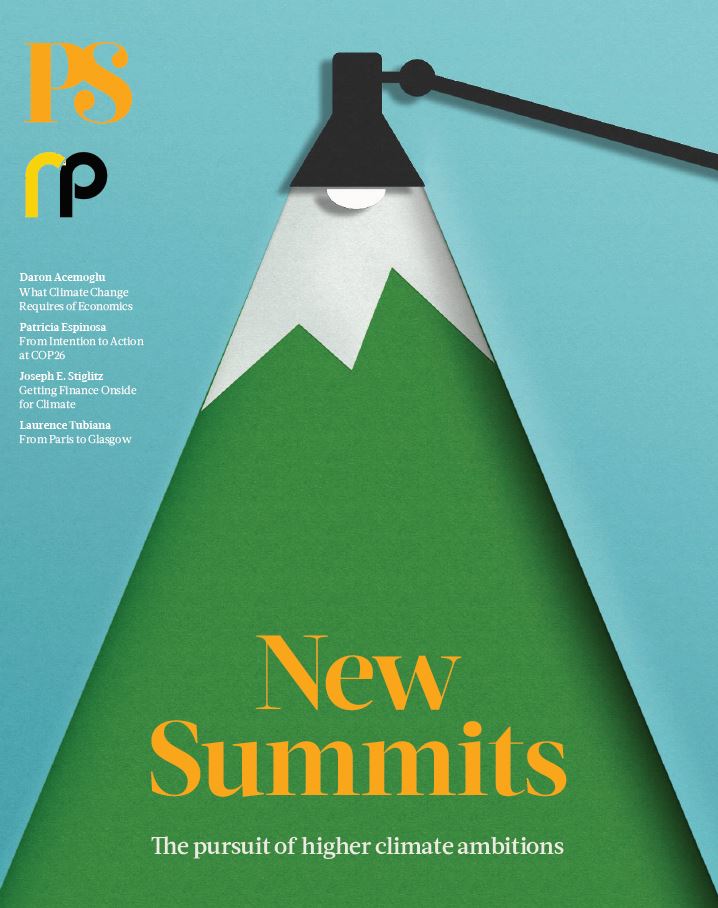
The rapid spread of the Delta strain of the coronavirus and the myriad of extreme forest fires and storms around the world were a hellish harbinger of an increasingly probable future. The joint publication of Res Publica and Project Syndicate “New Summits” focuses on possible solutions with which we will be more prepared to face that future.

The guide to eco-activism focuses on legal mechanisms for environmental protection, eco-activism as civic engagement, and how to create advocacy campaigns for public interest initiatives. It explains in more detail why it is important and how to protect the environment under Macedonian law, civic engagement as an important condition for improving the environment and preventing…
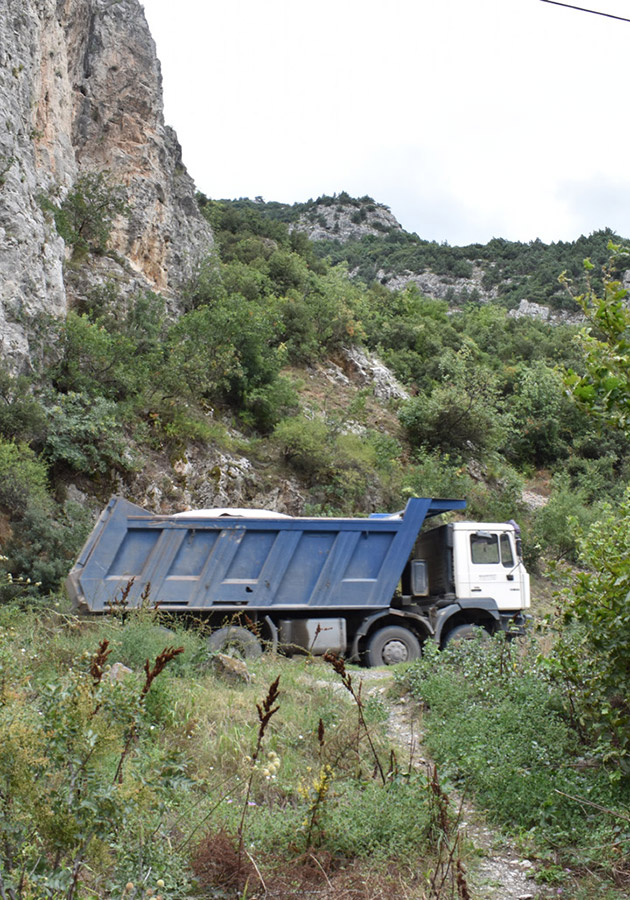
When the basic conditions for precise arrangement and maintenance of water bodies are not provided, a climate is created in which the motive for extraction of these mineral resources is of purely lucrative nature and is not carried out for achieving public interest which is protection of water from harmful effects. In this way, instead of regulating surface water bodies, the excavation of material becomes an illegal business for commercial purposes.

The work of environmental inspection services is of great importance in the prevention and sanctioning of acts that lead to degradation of natural resources. The effective planning of regular inspection supervisions enables proper deployment of the monitoring and control resources where they are most needed.
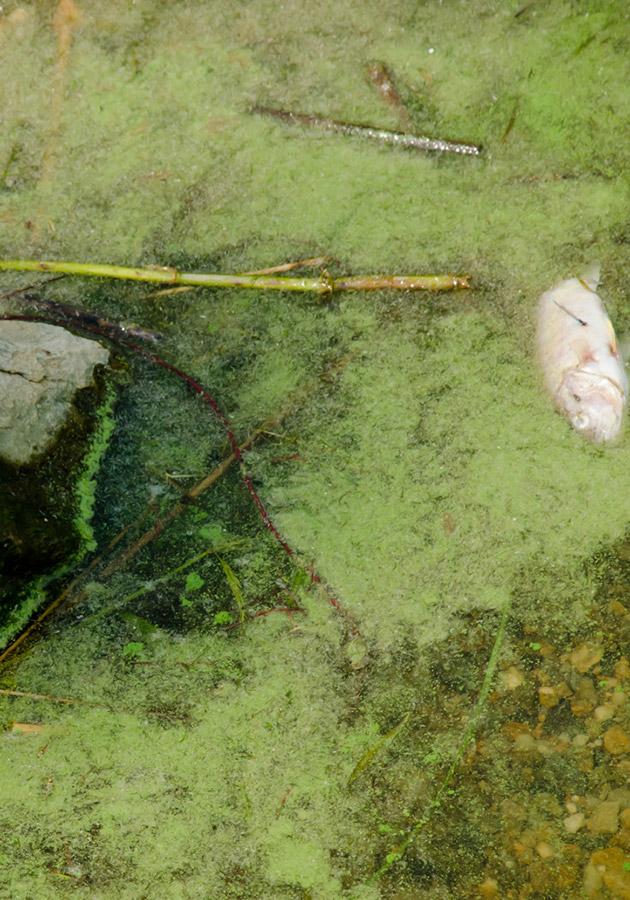
The existence of information system on water permits issued, the degree of water pollution and identification of pollutions sources should be the basis for the Ministry of Environment and Physical Planning (MoEPP) in pursuing a sustainable water policy. The degree of harmful impact cannot be determined in the absence of full records of users and water polluters, so each administrative measure adopted by the MoEPP is ad hoc. Anyone can discharge harmful and dangerous substances without a permit, can pollute and not be subject to sanctions for illegal actions.
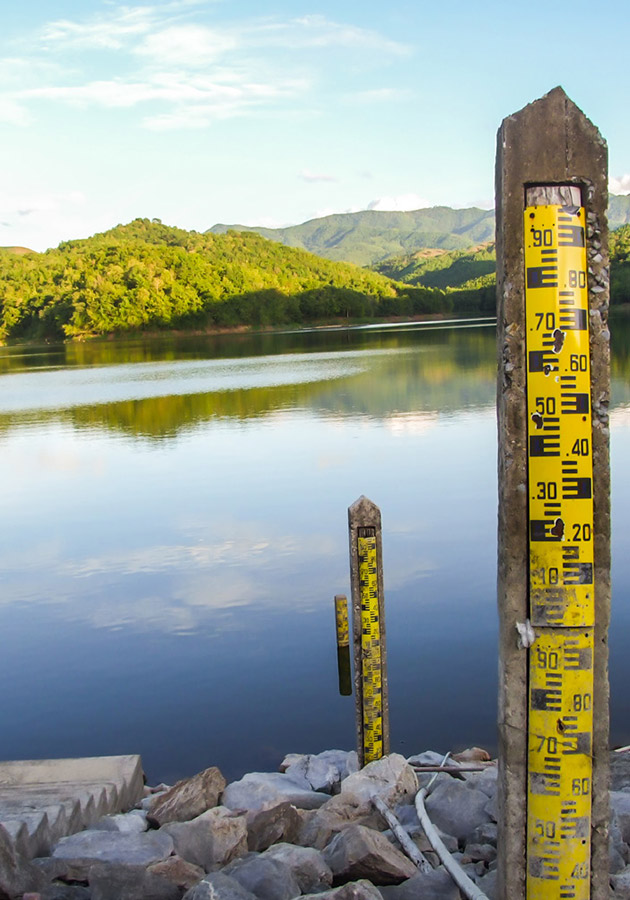
The current monitoring of water quality and quantity in Macedonia is inadequate to give a realistic picture of the current state of the water resources. The reasons for this situation are the lack of monitoring programs and cartographic representations in accordance with the requirements of the Law on Waters, insufficient financial and human resources, poor condition of the state measuring stations and the failure to meet the internal monitoring obligations.
Are young people involved in extracurricular activities in this area and what is being done by CSOs and institutions about environmental protection are some of the questions covered by the research “Local Priorities for Environmental Protection in Regions with Protected Areas (Demir Kapija, Prespa, Strumica Pelagonija, Tikves and Ohrid)” conducted by the Institute of Communication Studies in partnership with the Macedonian Ecological Society (MES).
The main goal of the research is to strengthen the communication capacities for advocacy of the civil society organizations and youth and to strengthen the participation of the public in environmental decision making.