Education should prepare young people to make decisions in times of uncertainty
How can we prepare young people for professions that have yet to emerge and for decisions in which artificial intelligence will play an ever greater role?
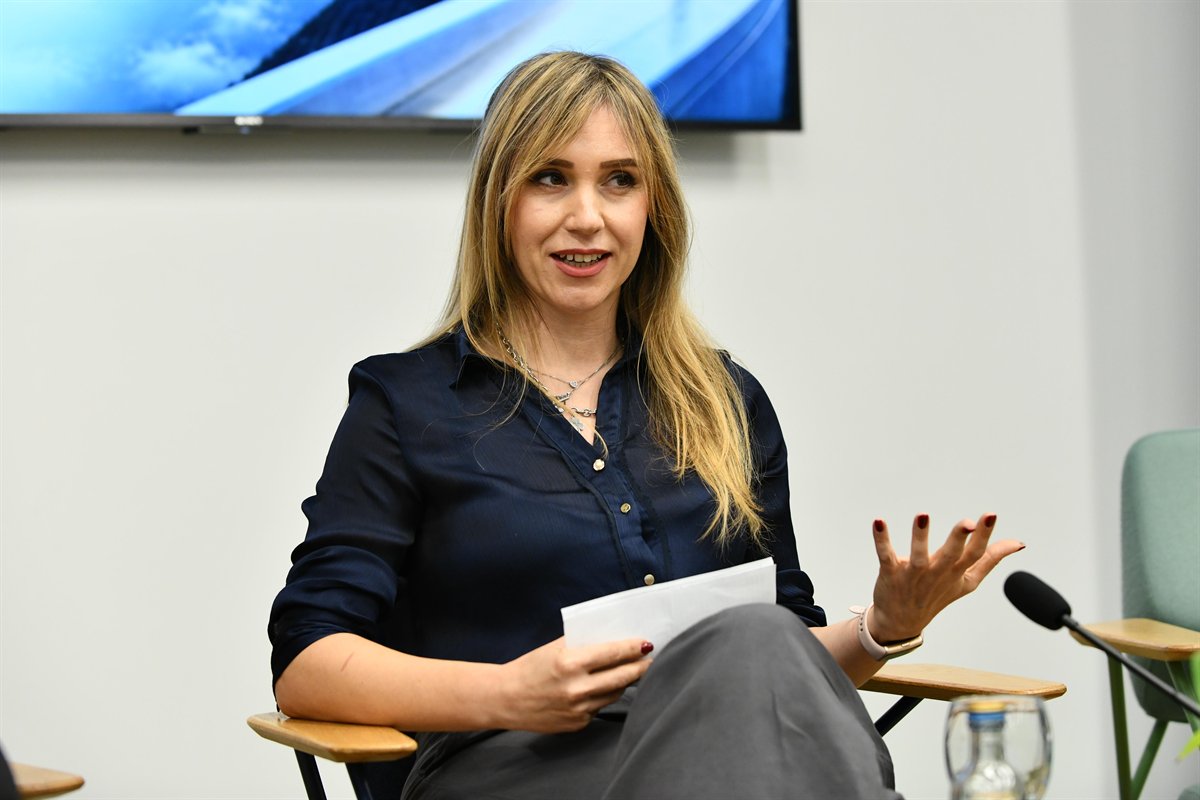
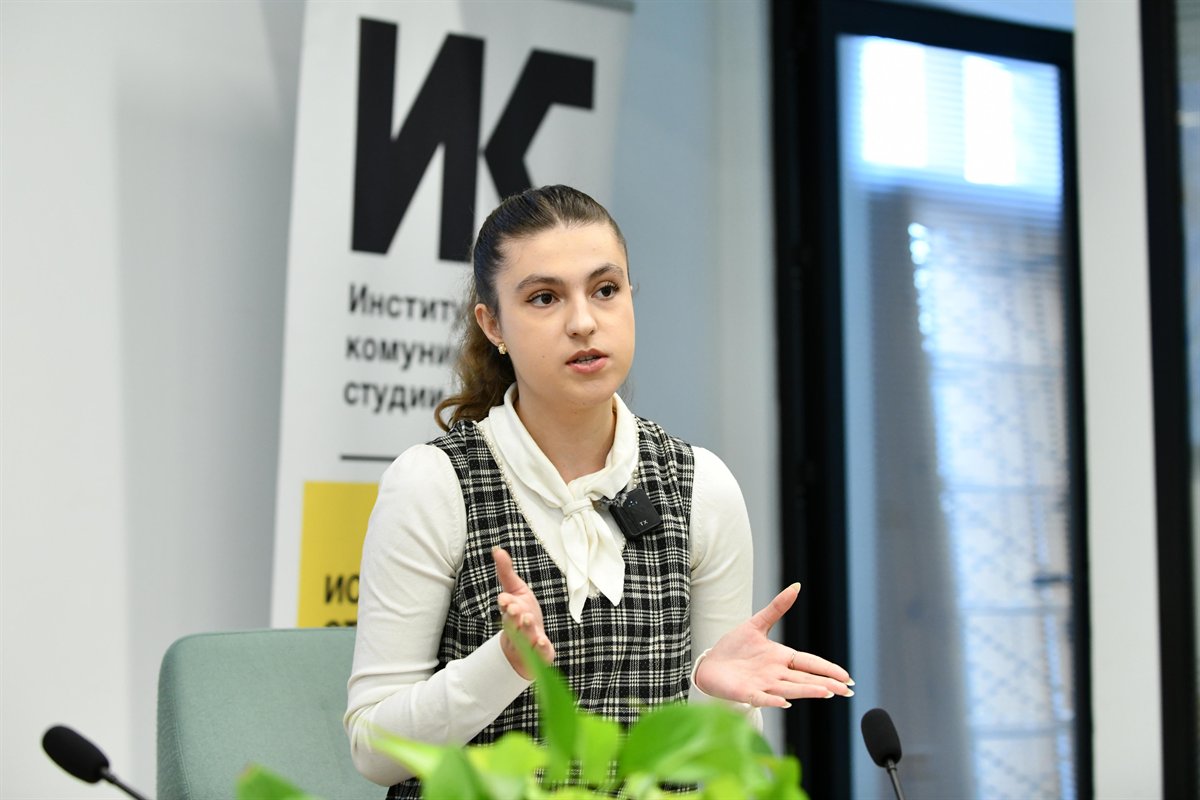
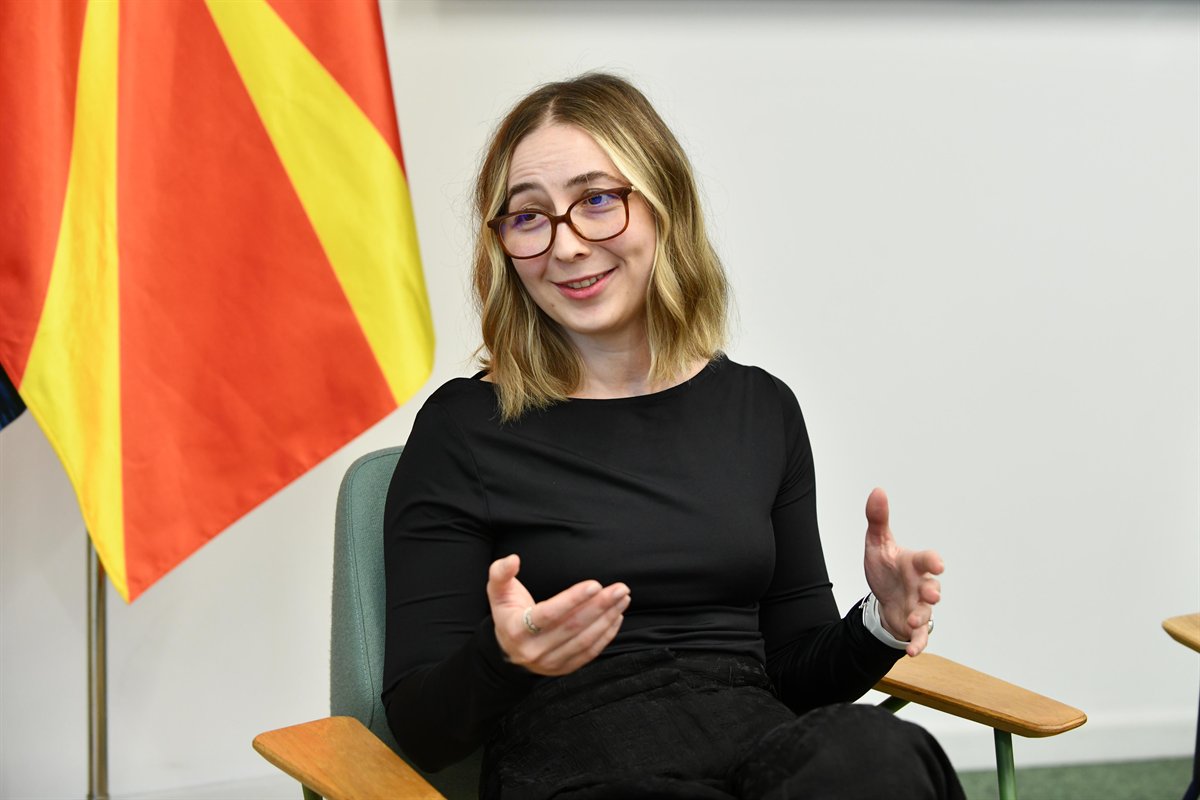
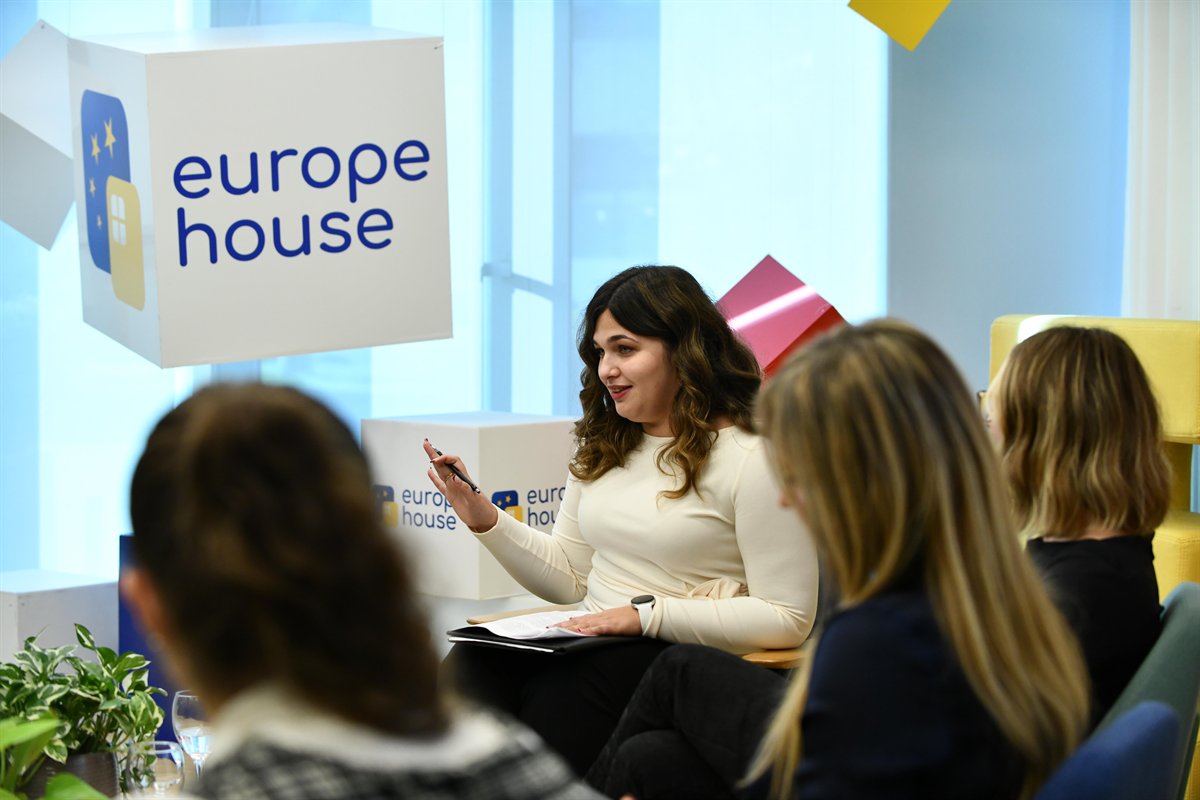
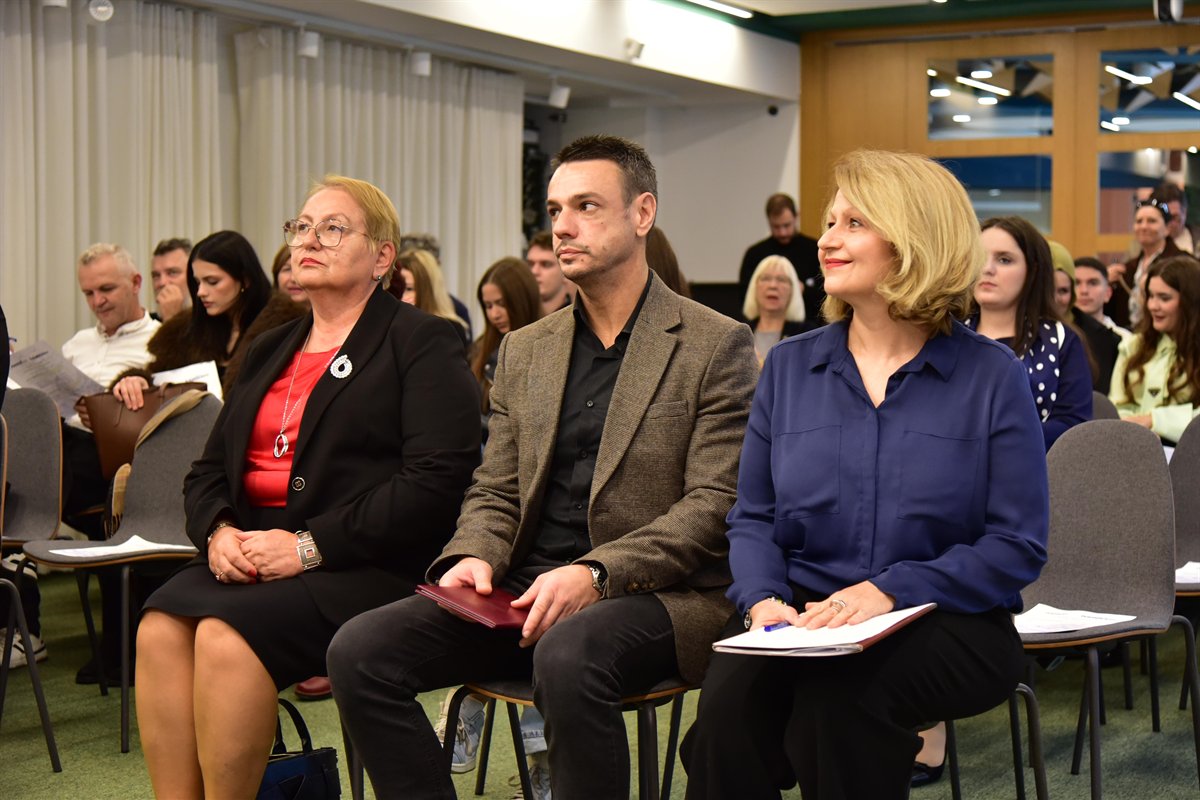
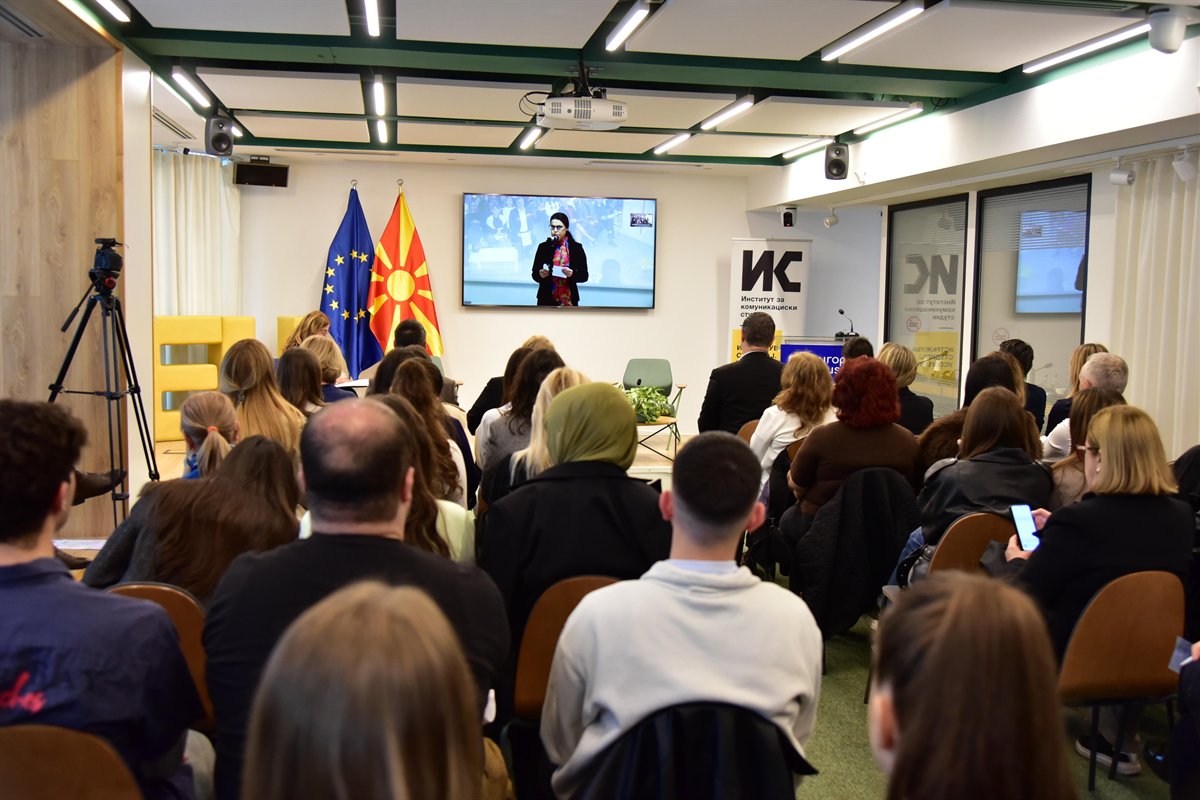
This question was at the centre of FutureX Summit 2026, which the Institute of Communication Studies (ICS) organised on 19 November at Europe House in Skopje and online. Participants discussed how the skills developed during education help young people judge whether a piece of information is credible, choose a professional path and recognise an opportunity to start their own business.
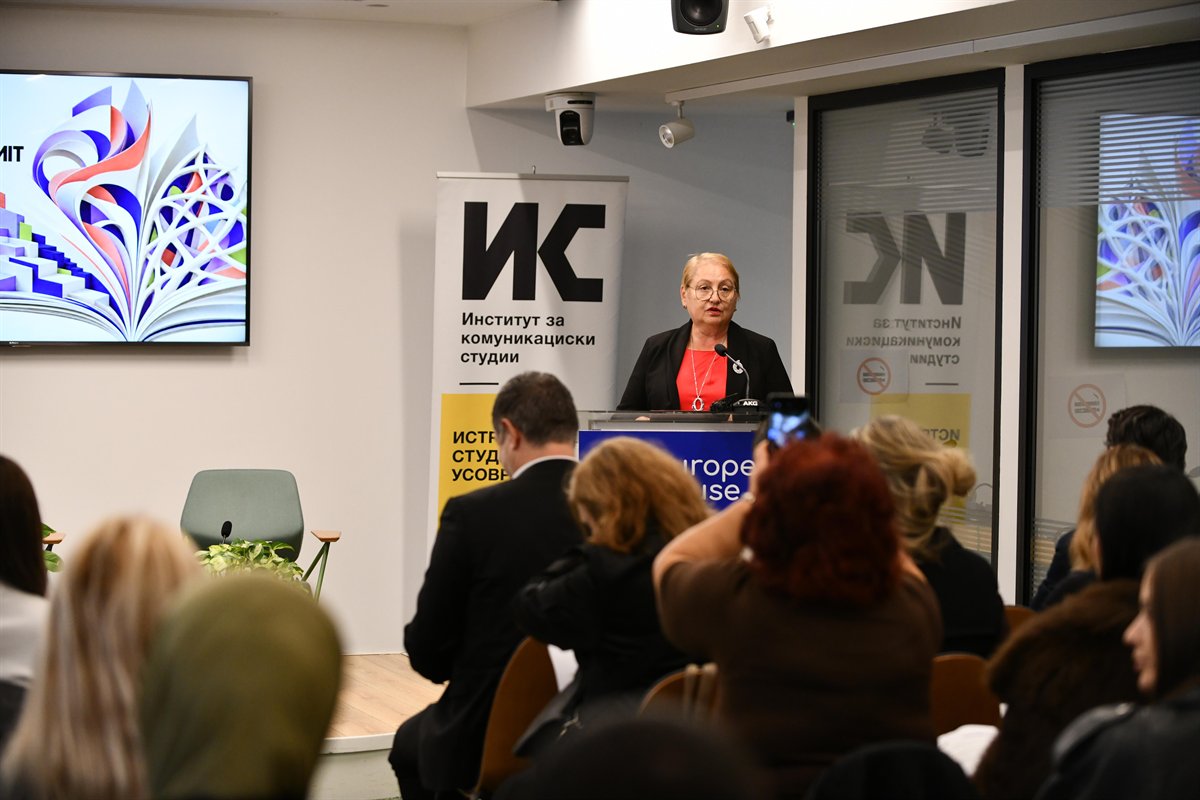
“The Ministry of Education and Science is working on reforms in all segments of education. Young people need to acquire high-quality, applicable knowledge, but it is just as important for them to develop creativity, innovation and critical thinking, as well as empathy, ethical principles and social competences,” said the Minister of Education and Science, Prof. Vesna Janevska.
She pointed out that full-day teaching gives pupils more room to explore and test their ideas, while dual education allows young people to apply what they have learned in a real working environment.
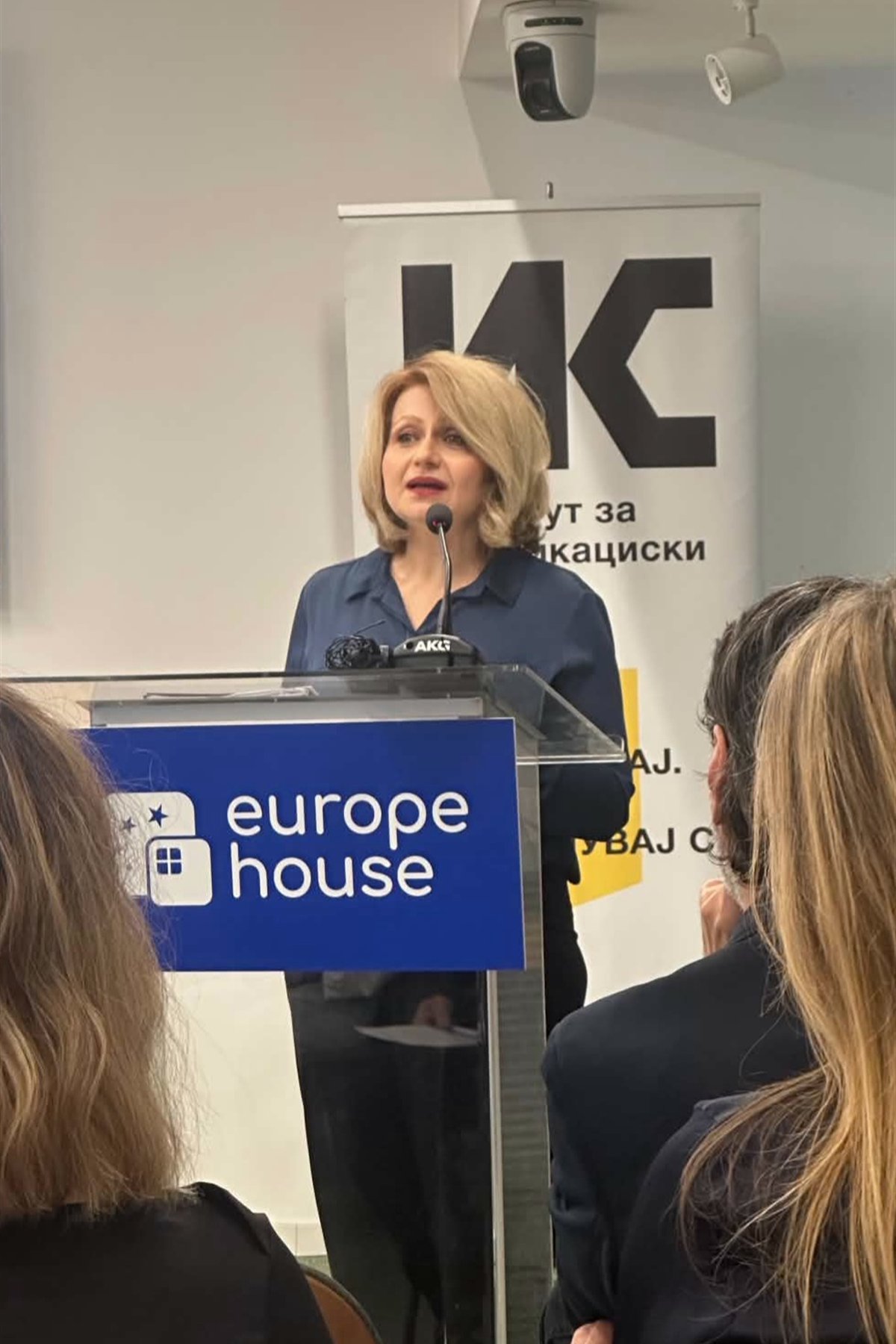
The Director of ICS, Dr Zaneta Trajkoska, linked futures literacy to the Institute’s long-standing work in media and information literacy. “It is not enough just to know how to check the information in front of us. We also need to learn how to think about the future and how to recognise our own assumptions about it. How to imagine more options, and how to experience uncertainty not as a threat but as a space for making decisions. That is why, through this project, we tried to connect media literacy, data and financial literacy, leadership and the ability to think about the future openly and strategically,” Trajkoska said.
The opening also featured Prof. Tatjana Horvat, Dean of the Faculty of Management at the University of Primorska in Slovenia, who spoke about the new skills needed for an unpredictable future.
“The central question confronts us with a fundamental paradox: how to develop competences that will help us make better decisions when we cannot predict the future,” Horvat said, adding that technological change calls for a different approach from the one on which traditional education systems relied for a predictable future, and that it dictates the need to develop other abilities – new skills, critical thinking and openness to possibilities we cannot change.
Ramila Kafaji Zadeh, a member of the UNESCO Chair in Futures Literacy at Hanze University of Applied Sciences in Groningen, the Netherlands, spoke about how our images of the future influence the choices we make today, and what we can see when we consider several possible outcomes.
“Futures literacy is diving into the unknown, into complexity, to see whether we can question our own assumptions and those of the people around us. It is more of a capability,” said Kafaji Zadeh.
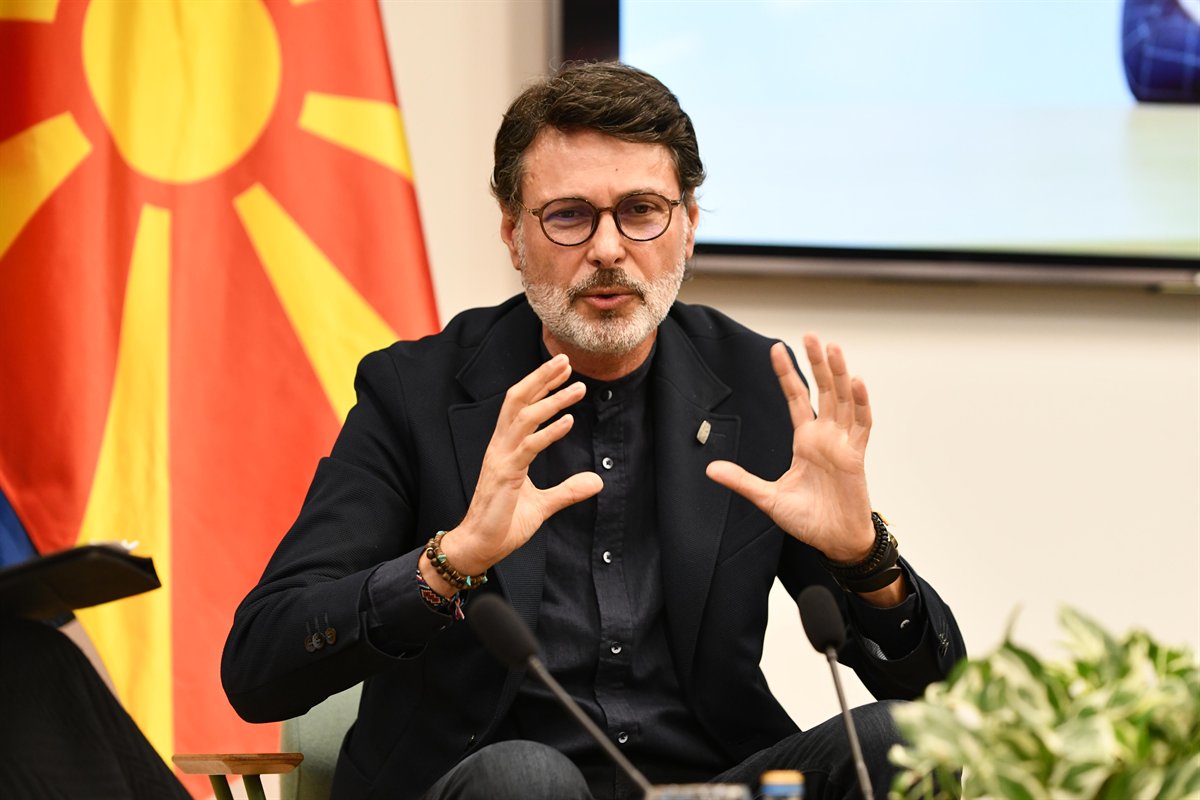
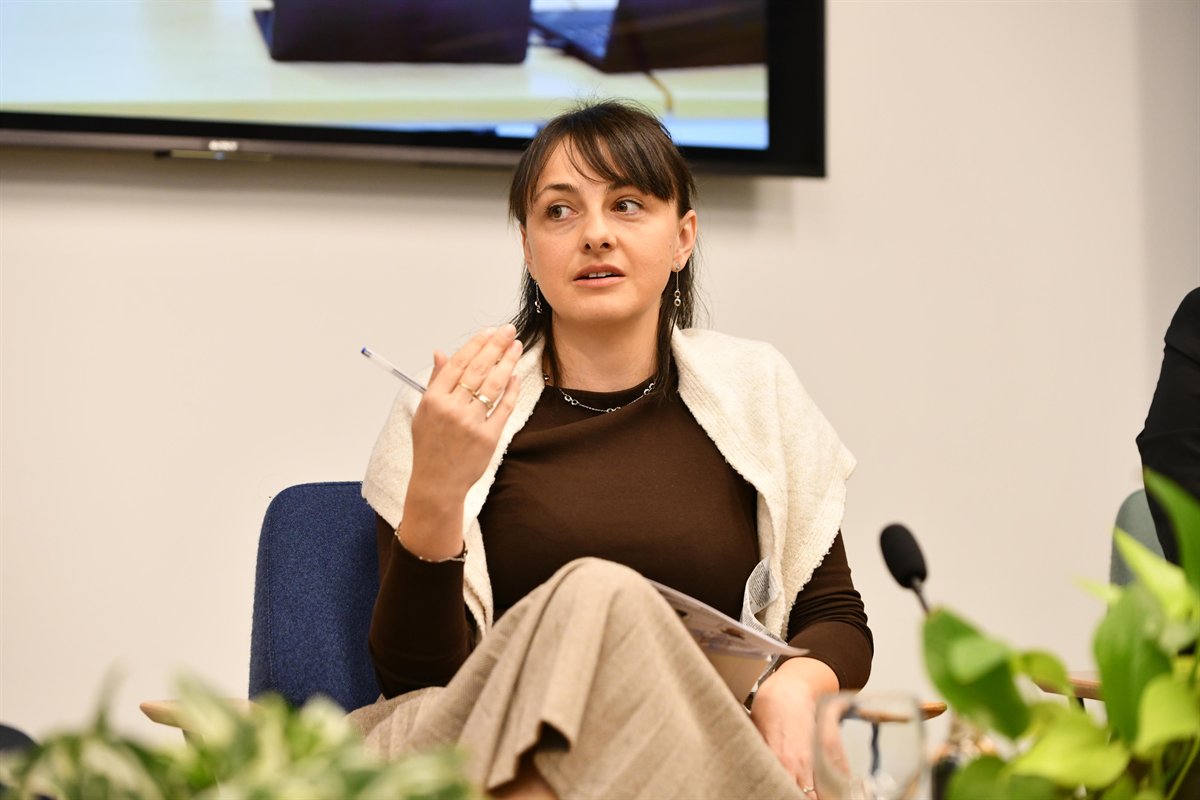
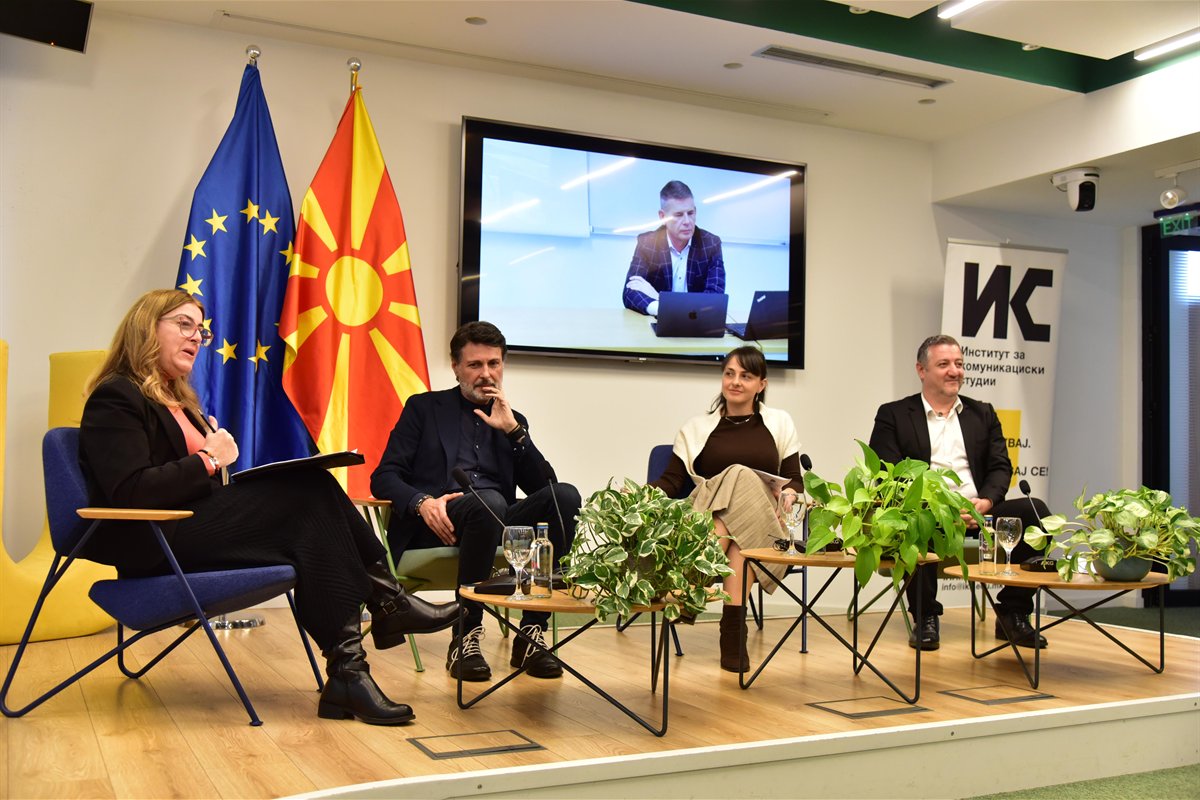
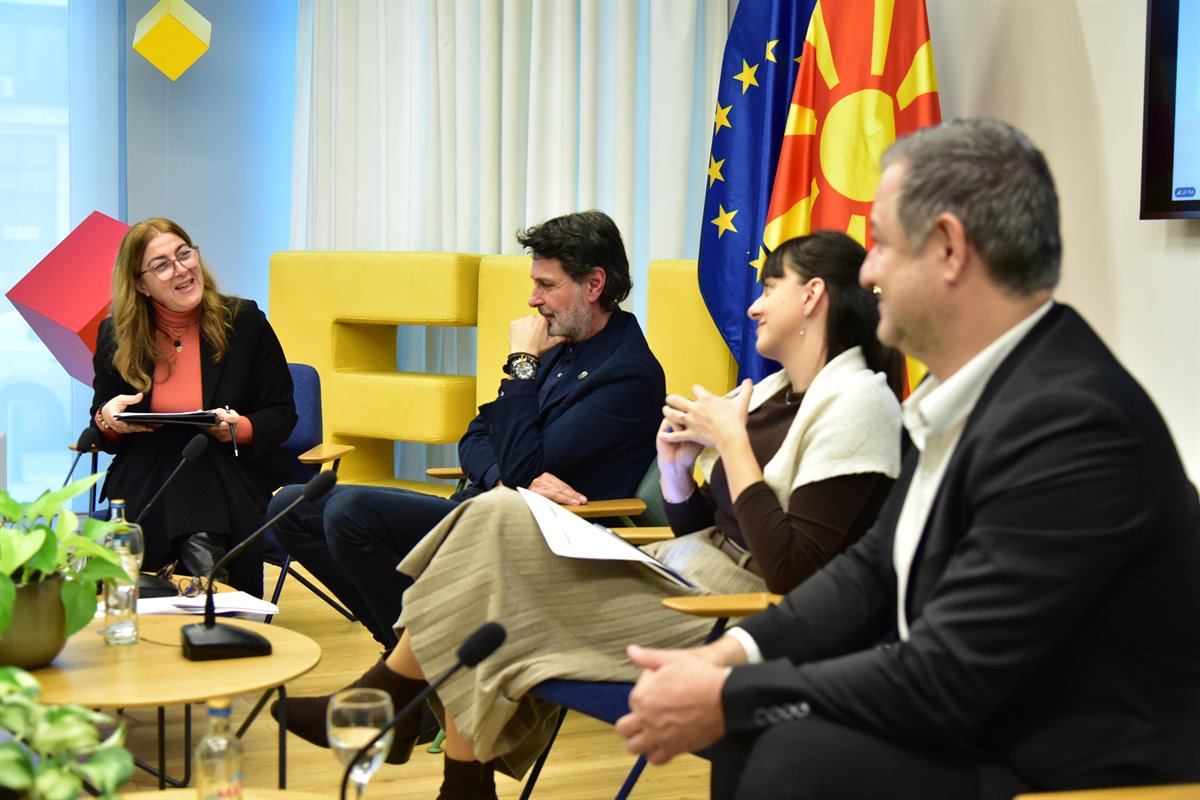
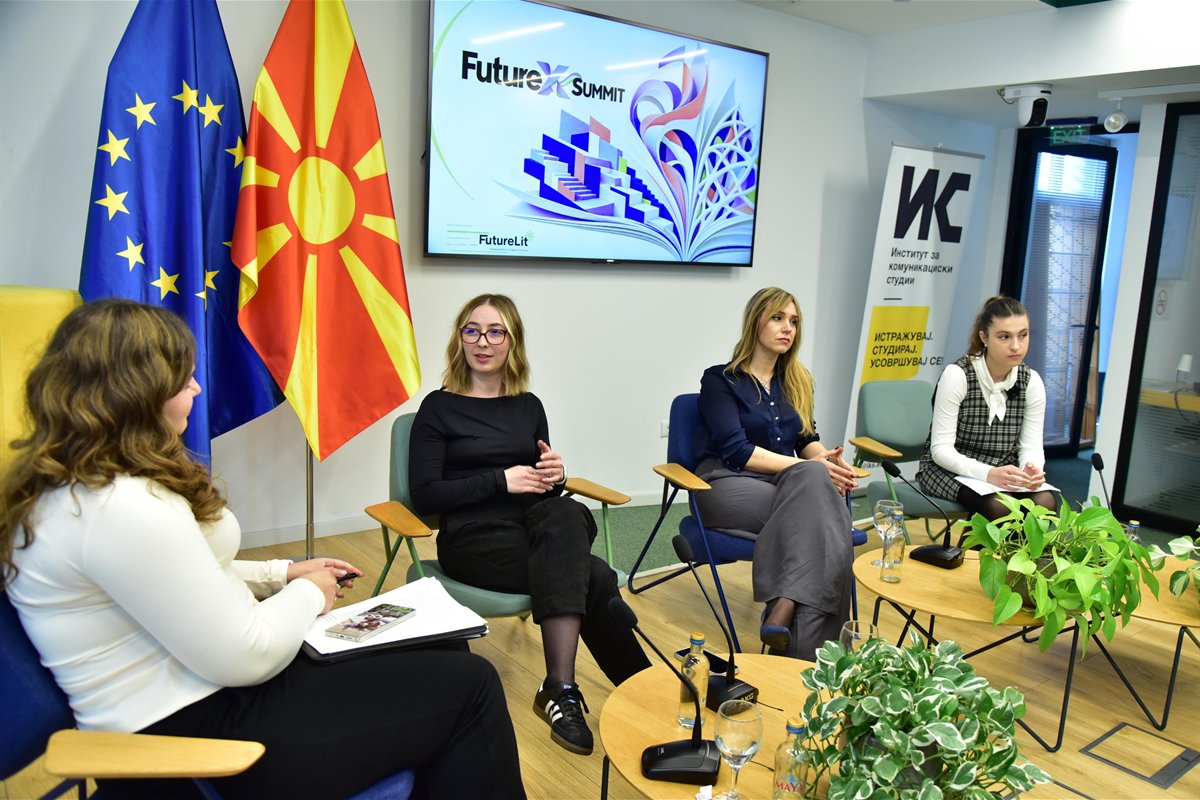
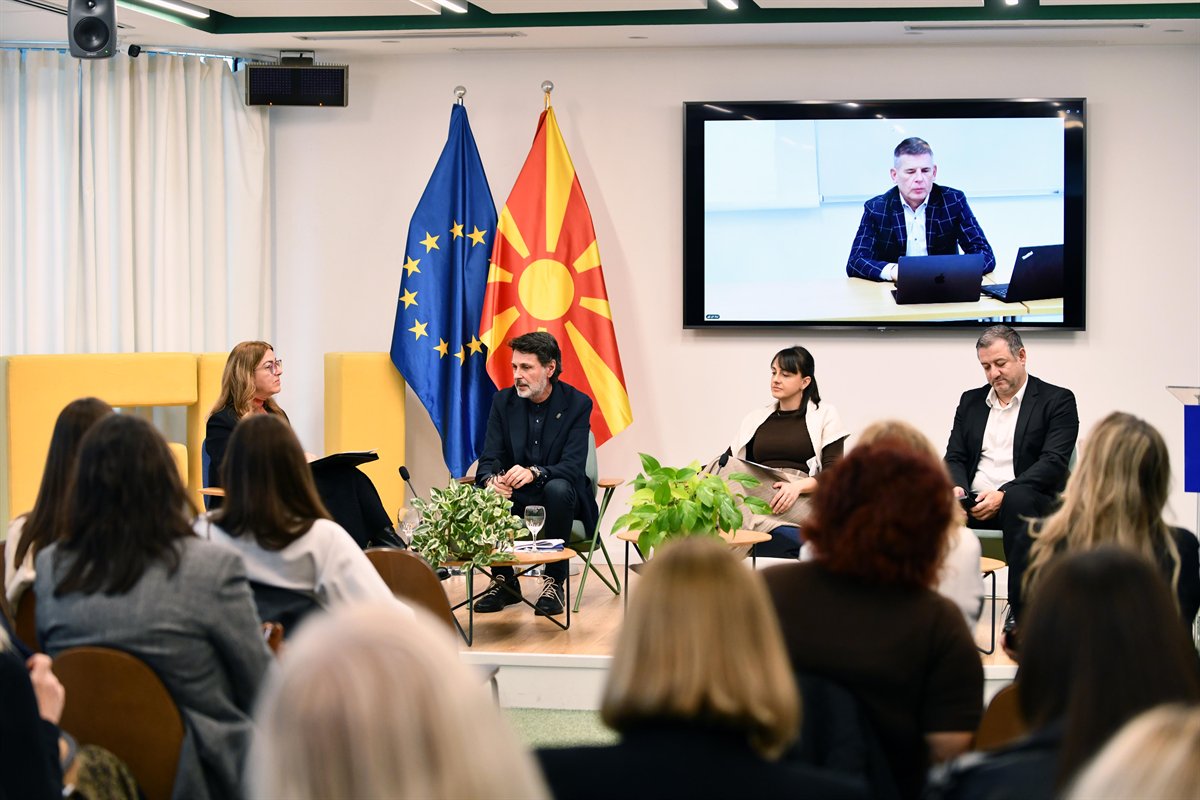
On the FutureX Dialogue panel, Prof. Kiril Barbareev from Goce Delčev University and Dr Aleksandra Dedinec from the Faculty of Computer Science and Engineering (FCSE), a member of the Vezilka project team, discussed how teaching can encourage independent thinking and what role human judgement plays when we use artificial intelligence.
Asked how to prepare for the future, entrepreneur Dancho Dimkov and Slovenian business innovation consultant Tomaž Pavlica answered from their own professional experience. Dimkov talked about how a student can find out who needs their skill and land their first client. Pavlica focused on the assumptions that prevent companies from recognising in time that they need to change the way they work.
The questions from the FutureX Dialogue about how we assess information and make decisions were also part of the Future Readiness Academy, the main activity of FutureLit. During this five-month online programme, participants from North Macedonia, Slovenia and Austria exchanged ideas and jointly developed scenarios through which they explored what the future might look like.
The summit closed with the conversation “Students’ Voice”, in which participants shared what had motivated them to apply to the Academy and what their experience of working in international teams had been like. They talked about the challenges they faced during the programme, what they found most useful and how they can apply what they learned in their studies or at work.
For anyone who wants to explore these topics in more depth, the Academy’s educational resources are available on the FutureLit website.