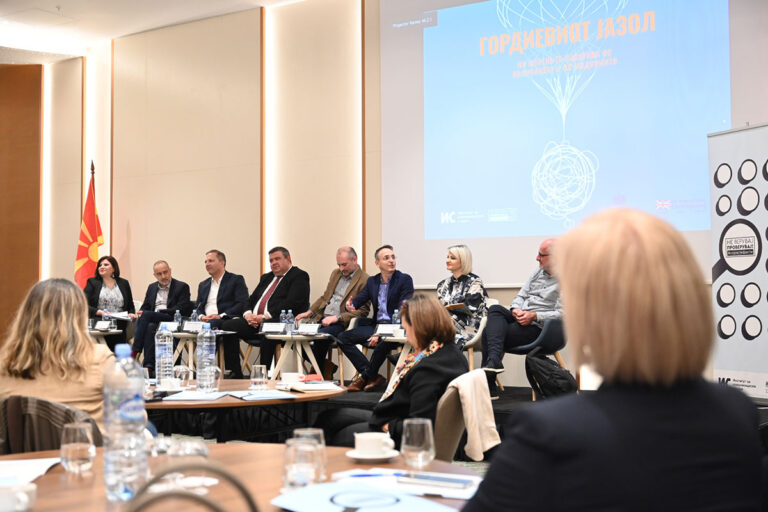
Information disorders
The development of artificial intelligence, the influence of digital platforms and increasingly sophisticated techniques of coordinated influence raise new research questions about information integrity, trust in institutions and the resilience of democratic societies.
What we research
The digital transformation of public communication is changing how disinformation, harmful narratives and other forms of information manipulation are created, spread and amplified.
At the Institute of Communication Studies we research how manipulative narratives emerge and develop, through which actors and channels they spread, and how they penetrate media, digital and public communication. We analyse information disorders as a complex phenomenon that goes beyond individual false or deceptive content and includes the wider communication strategies, networks of influence and social conditions that enable their spread and impact.
Read more
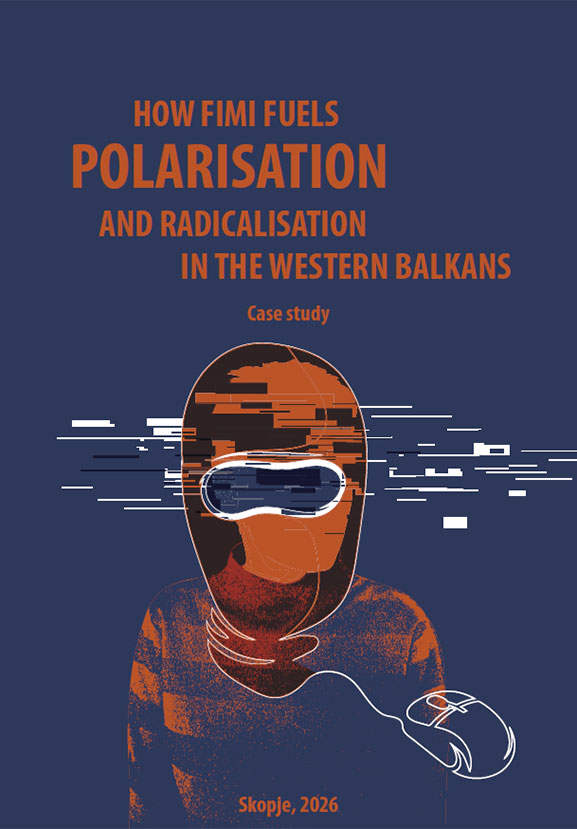
Our research focuses on disinformation, information manipulation, harmful narratives, coordinated information operations and foreign information manipulation and interference (FIMI). Through systematic media monitoring, analysis of content and public narratives, and the application and development of methodologies for identifying manipulative communication practices, we research their actors, tactics, channels and potential effects. This approach makes it possible to follow changes in the information environment and better understand the mechanisms through which different forms of manipulation adapt to new technologies and communication practices.
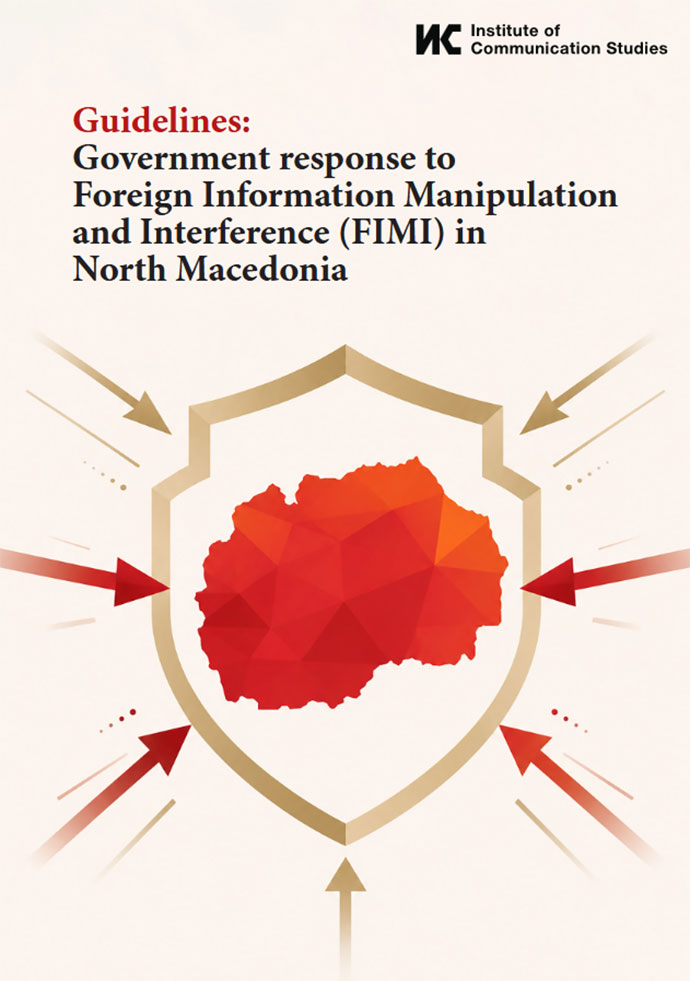
We pay particular attention to FIMI as a field where media and communication research, security, technology and democratic governance intersect. At the same time, we cooperate with fact-checking organisations and media and research partners at national, regional and European level, and turn the knowledge we gain into applicable solutions that contribute to a more resilient information environment and better-informed citizens.
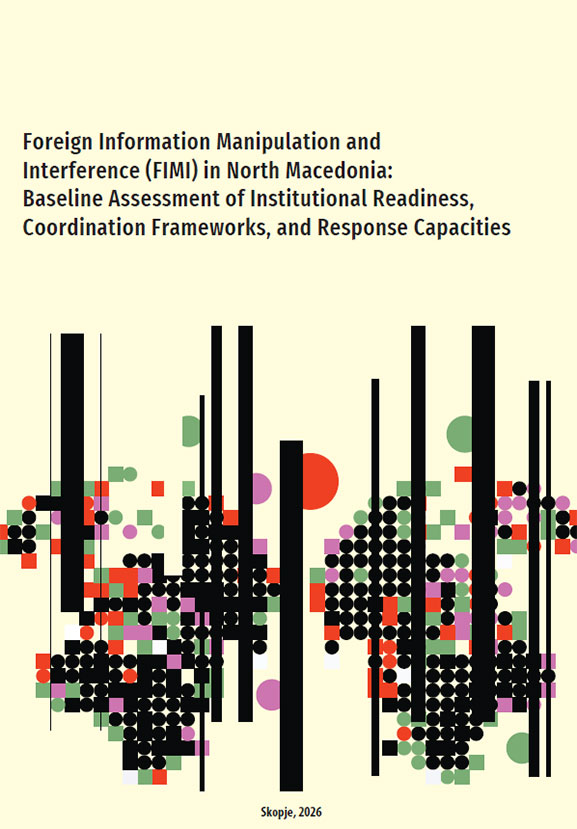
We turn research findings into analyses, public policy recommendations, strategic frameworks, case studies, training and practical resources for institutions, the media and civil society. In this way research becomes the basis for developing more effective mechanisms for recognising, analysing and tackling information disorders, as well as policies that strengthen information integrity.
Connecting research with practical application enables the knowledge gained to contribute to better-informed institutional and social responses. Through research, methodological development and partnerships, our aim is to contribute to an information environment in which public debate is based on credible information, and institutions, media and citizens are better prepared to recognise and understand contemporary forms of information manipulation.




Research projects



Publications in this area
Related news
-
 18 August 2025
- elections
- ·
- ethics
- ·
- ICS
- ·
- political communication
- ·
- Штетна
Participants in the Local Elections Campaign Urged to Respect Standards and Principles of Ethical Political and Public Communication
Their messages and the way they engage with the public and their opponents shape the political culture and public discourse,… -
 19 July 2024
- monitoring
- ·
- Штетна
- ·
- штетни наративи
ICS published the three-month report on the presence of harmful narratives in public political communication in North Macedonia
The Institute of Communication Studies (ICS) published the three-month report from the research Determining Political Harmful Narratives (HARM-TIVE) which represents…